

Choose the Right Season
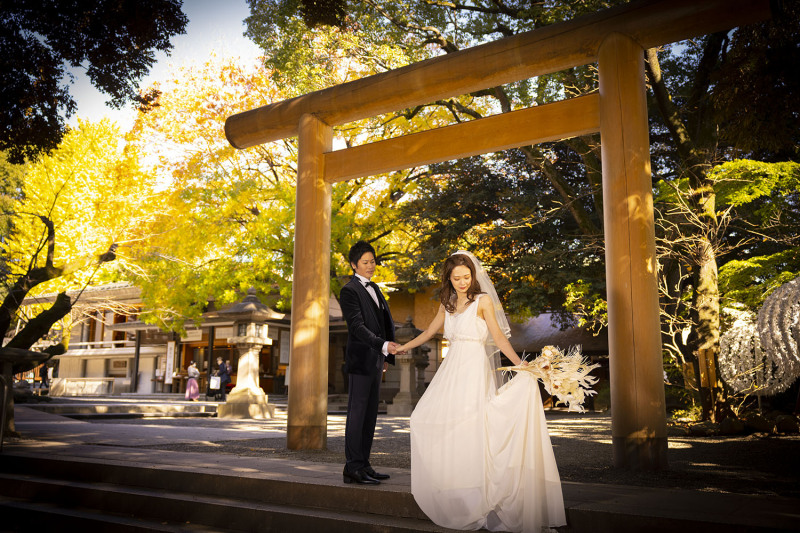
- Peak Seasons (Spring & Autumn): Late March to May (cherry blossoms) and October to November (autumn foliage) are the most visually stunning times to marry. You will need to book venues well in advance.
- Off-Peak Seasons (Summer & Winter): June through August brings the rainy season and high humidity. Winter offers clear skies, fewer crowds, and often better venue rates.
Understand Legal vs. Symbolic Ceremonies
- The Legal Process: Getting legally married in Japan is an administrative task. It requires submitting a Marriage Registration (Konin-todoke) and translated documents to a local municipal office.
- The Ceremony: Events held at shrines, chapels, or hotels are purely symbolic. Many international couples handle the legal paperwork in their home country and host a stress-free symbolic celebration in Japan.
Pick Your Ceremony Style
- Traditional Shinto: Held at a shrine, this involves wearing traditional Japanese garments (such as a shiromuku for the bride) and participating in rituals like san-san-kudo (the ceremonial sharing of sake).
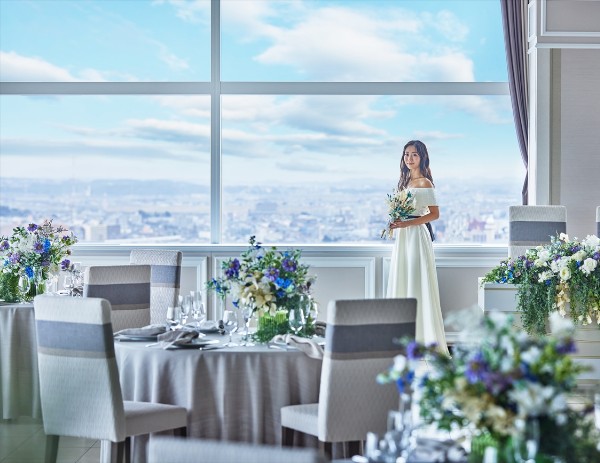
- Western-Style: Extremely popular across Japan, these ceremonies are often held in dedicated wedding chapels and feature standard Western attire, regardless of the couple's religious background.
Navigate Local Wedding Customs
- All-Inclusive Packages: Japanese wedding venues heavily favor package deals that bundle attire, photography, floral arrangements, and catering. Bringing in outside vendors or items can sometimes incur strict fees.
- Cash Gifts (Goshugi): Wedding registries are uncommon. Guests in Japan typically present cash in decorative envelopes, with the standard contribution usually starting at 30,000 JPY per guest.