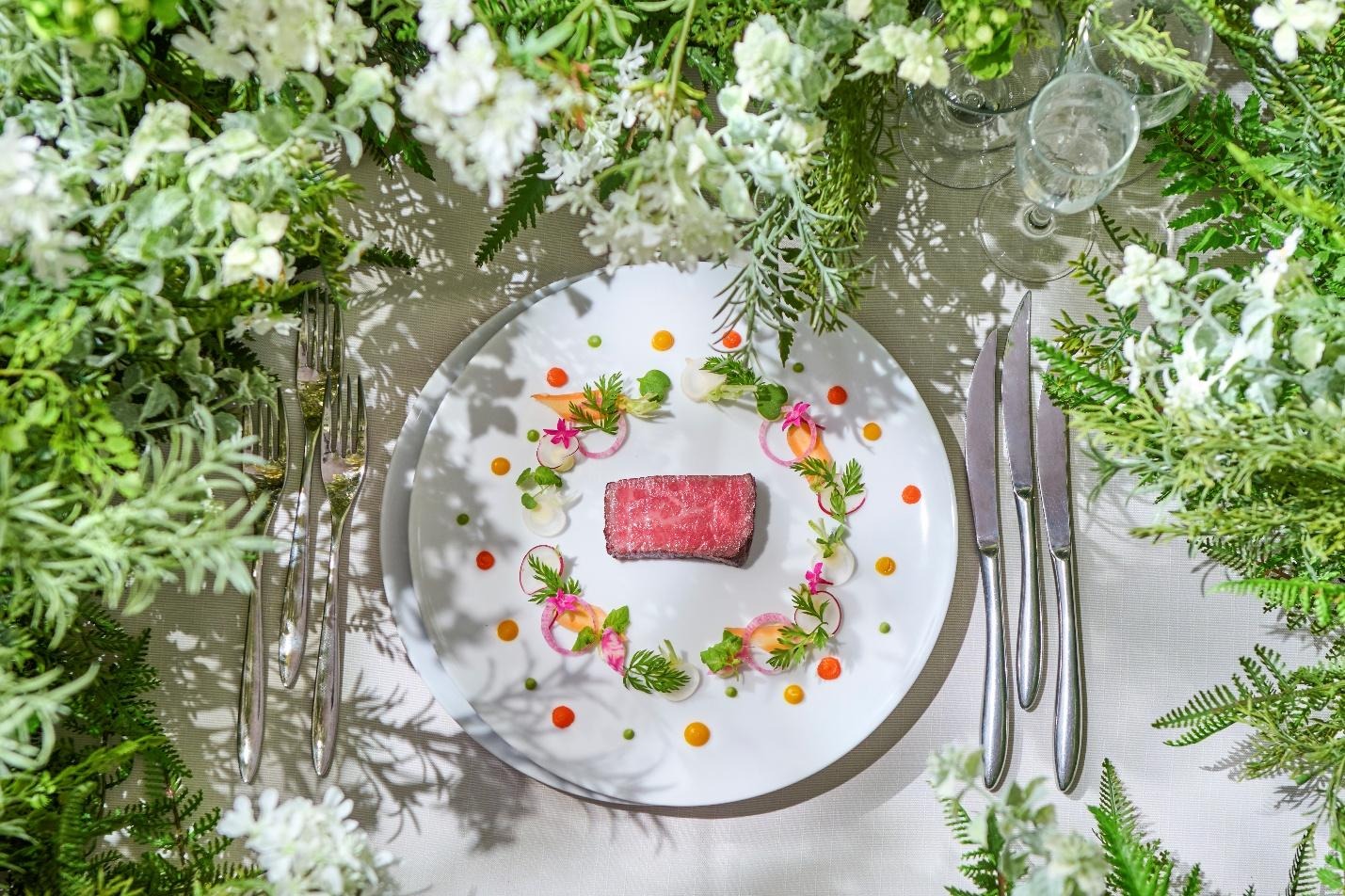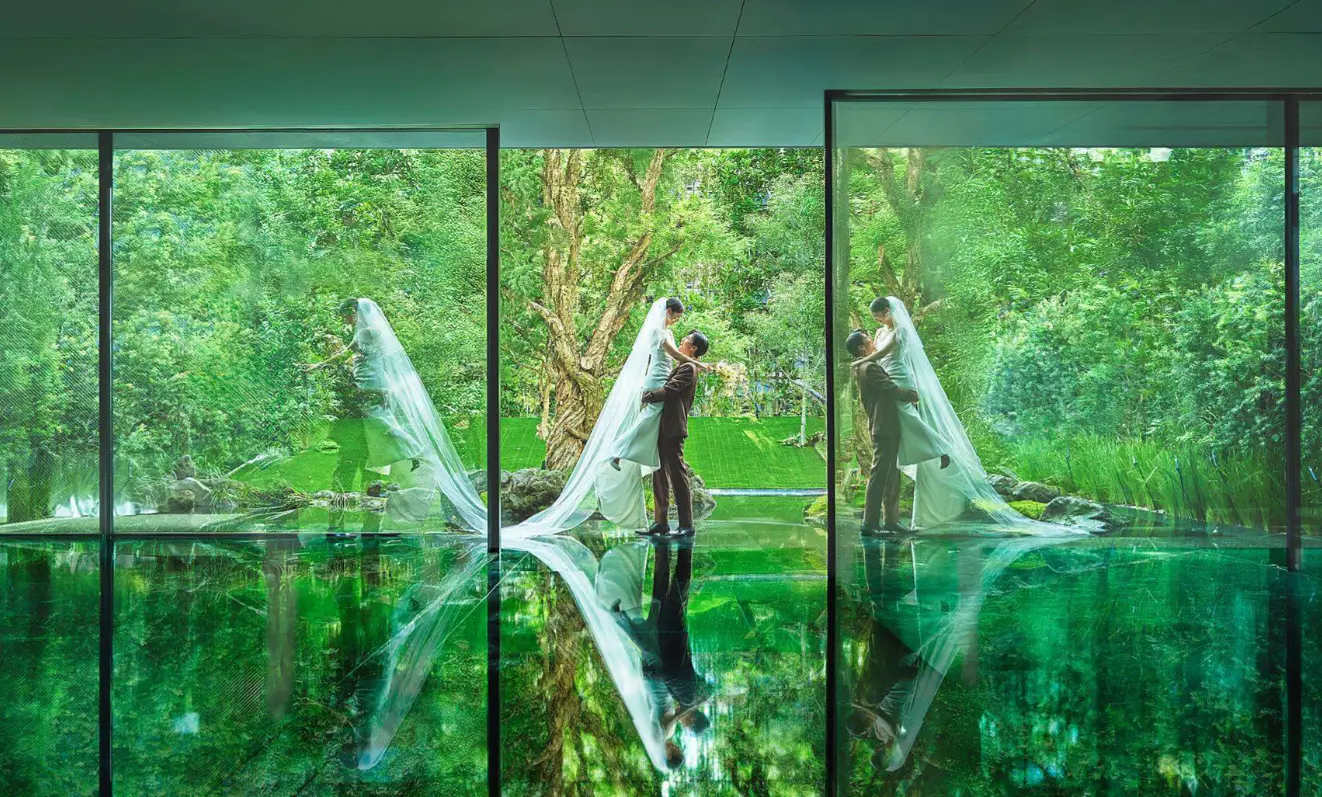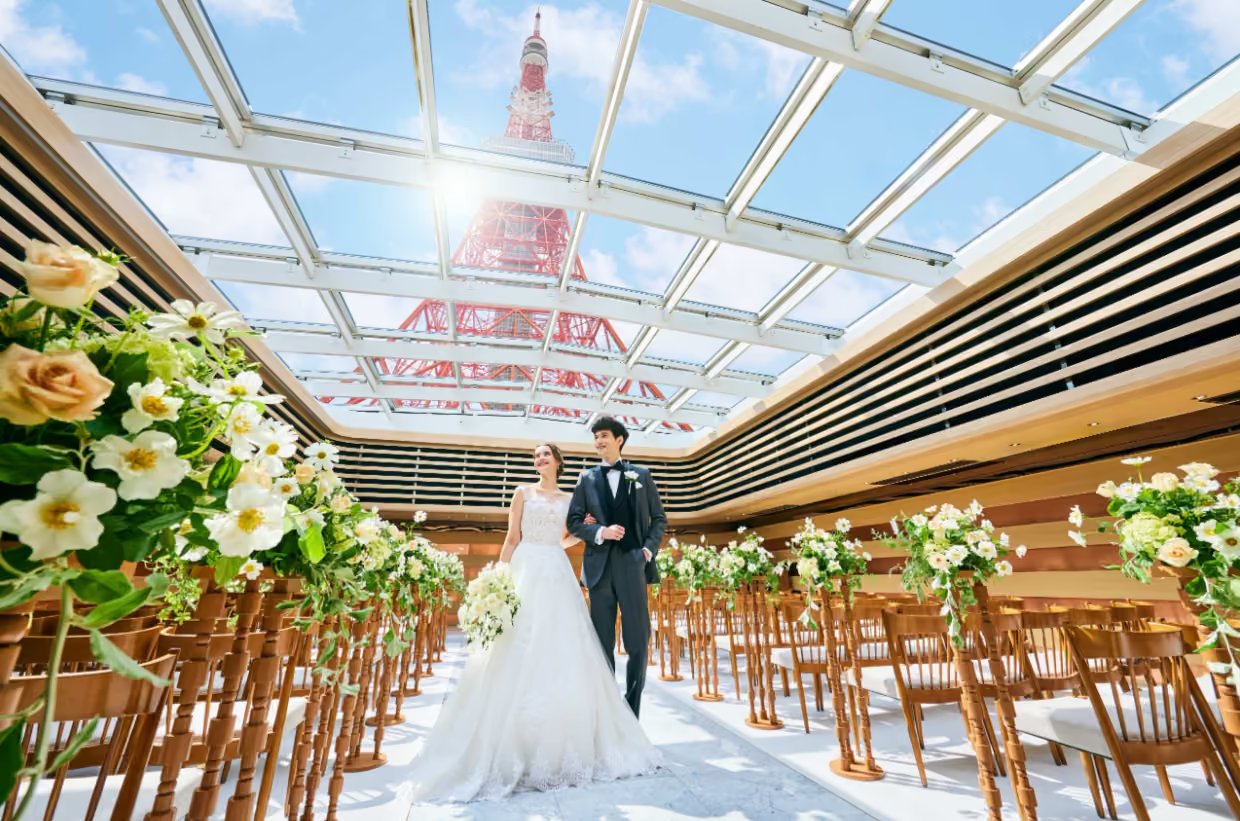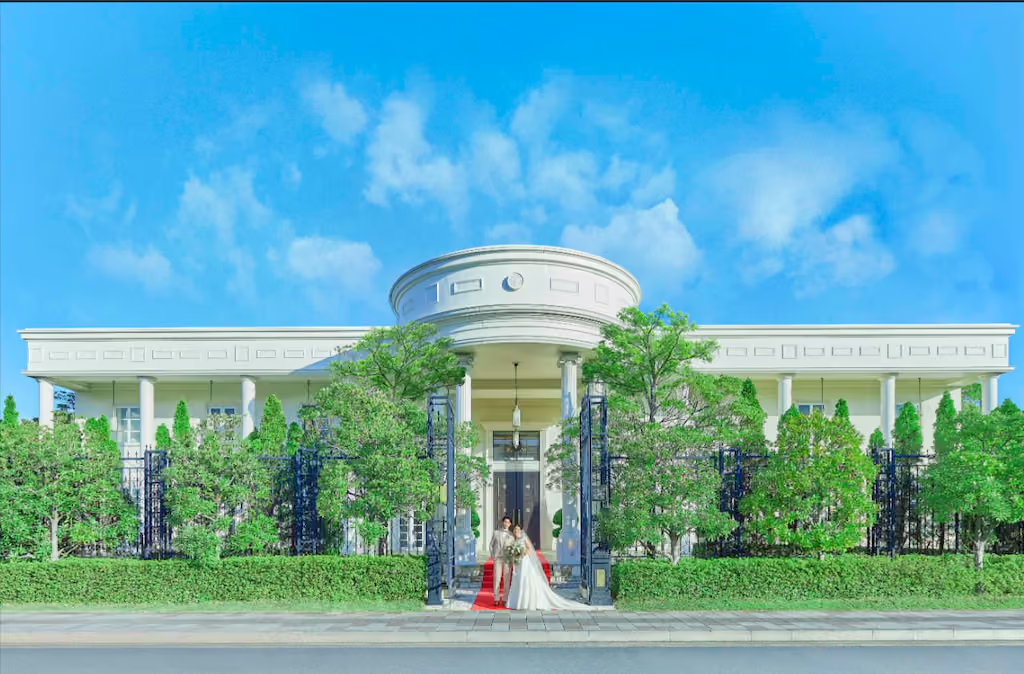


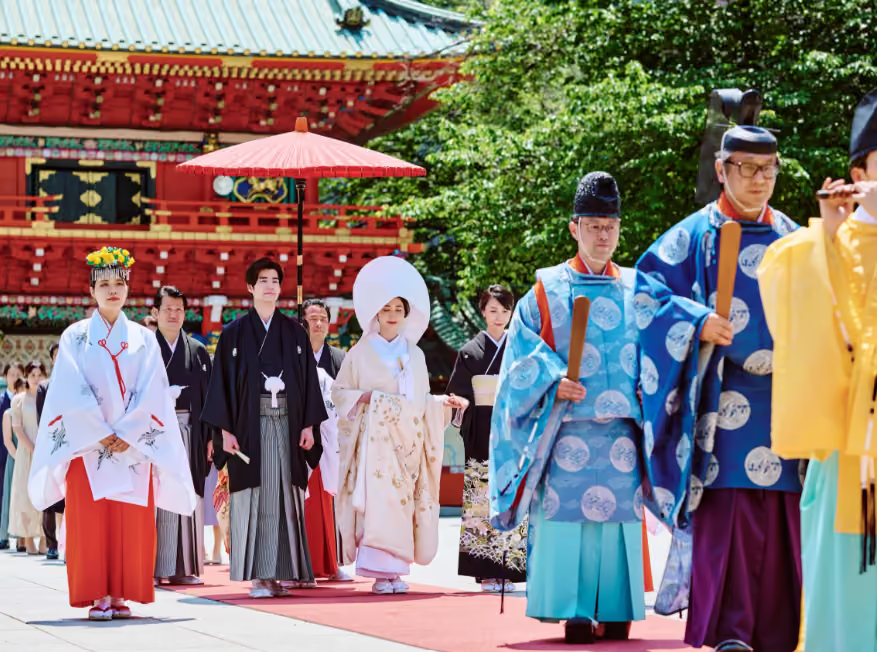
There are many different styles of weddings in Japan. Today, I’d like to introduce some of Japan’s most timeless wedding styles.
Maybe you've wandered past a quiet shrine on a weekday morning — the stone lanterns, the cedar trees, the sense that something old and peaceful lives there. Or maybe you've caught a glimpse of a rooftop venue at golden hour and thought, that's exactly the kind of place I'd want to celebrate.
Whatever drew you to the idea of a wedding in Japan, one of the first questions you'll face is this: What kind of ceremony do you actually want?
There's no right answer. But understanding the options makes it so much easier to find what feels like you.
---
The Two Main Styles — and Everything In Between
🏯 A Shinto Shrine Ceremony (神前式 / Shinzen-shiki)
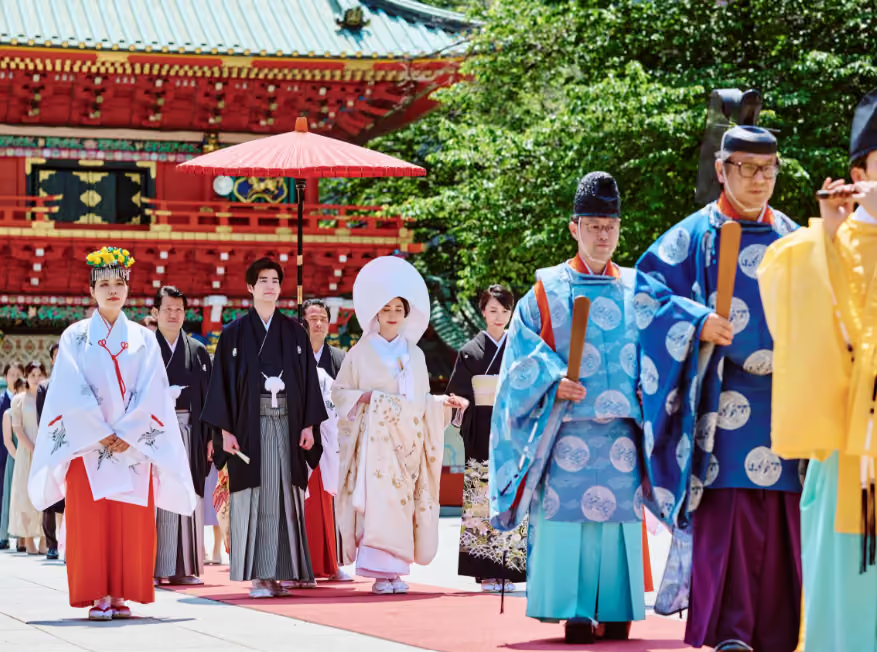
A Shinto wedding is one of the most distinctive experiences Japan has to offer — and one of the most meaningful for couples who feel drawn to it.
The ceremony takes place inside a shrine sanctuary, conducted by a Shinto priest. The ritual follows a set structure that has remained largely unchanged for centuries:
- A purification ritual to cleanse the space and the couple
- Prayers offered to the gods by the priest (read aloud in classical Japanese)
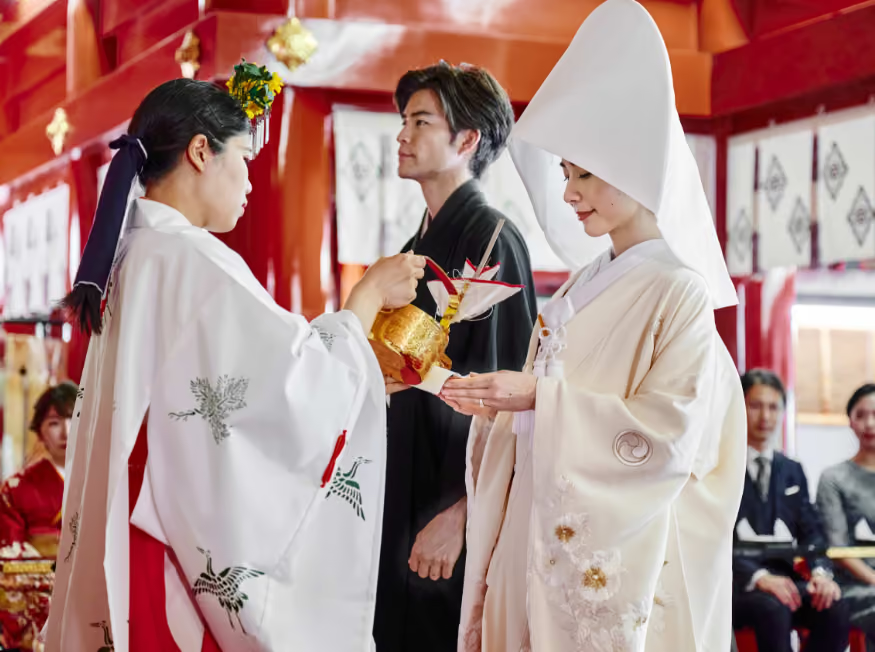
- San-san-kudo (三三九度)— the couple takes three sips each from three cups of sake, binding them in marriage
- An offering of sacred sakaki branches to the deities
- Exchange of rings (a modern addition, but now common)
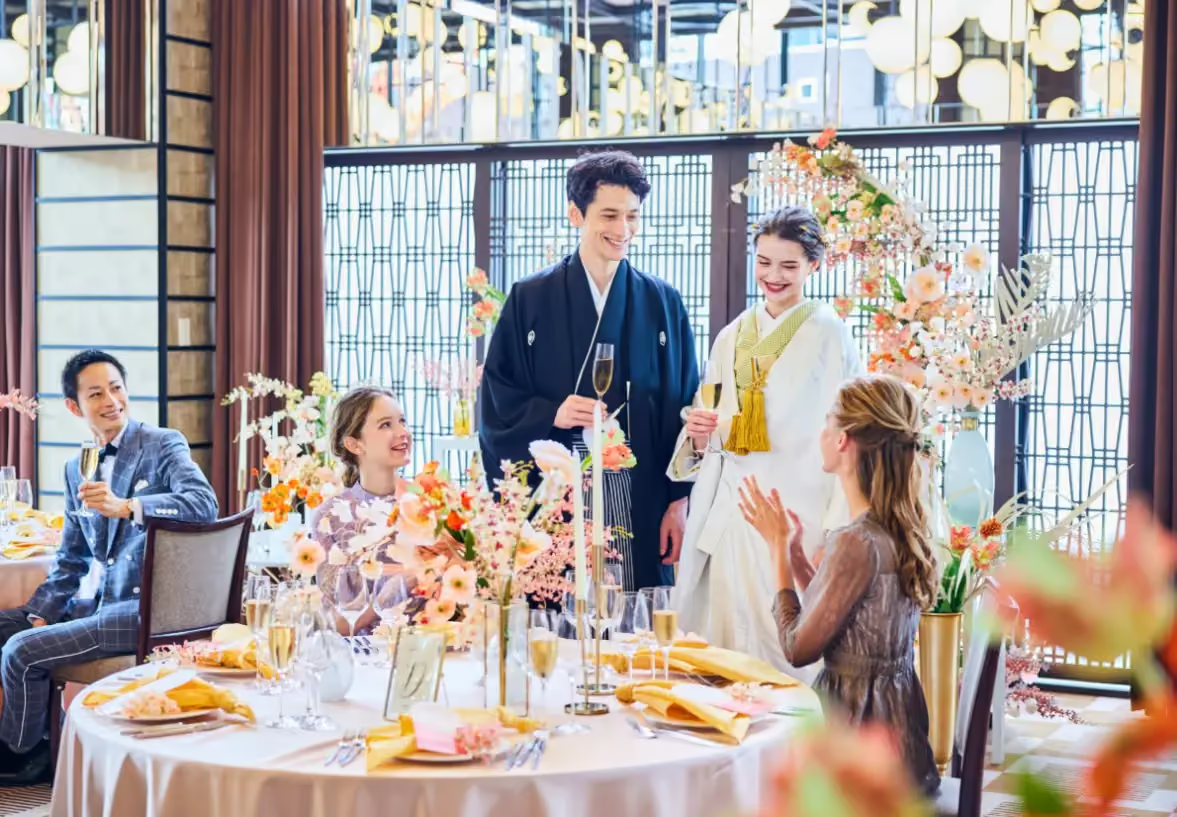
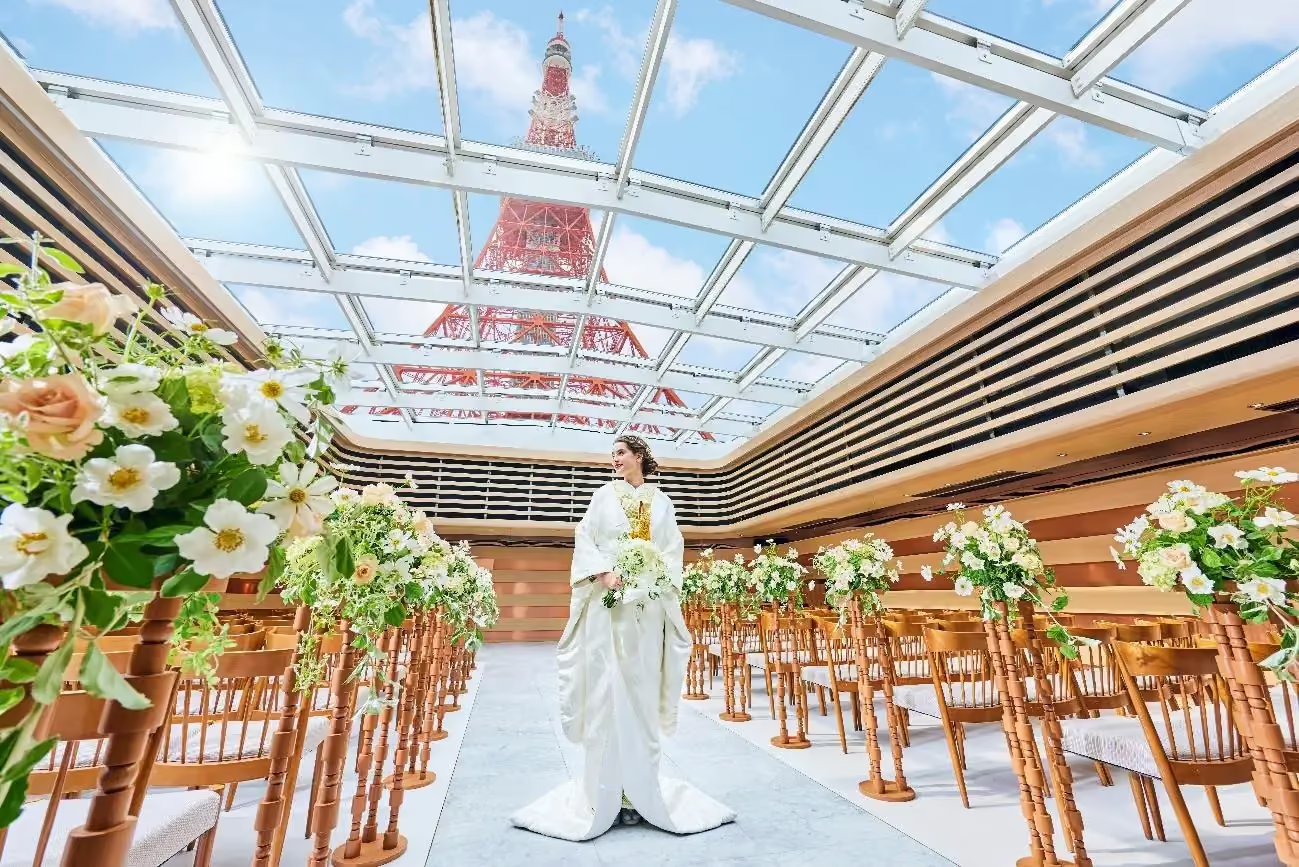
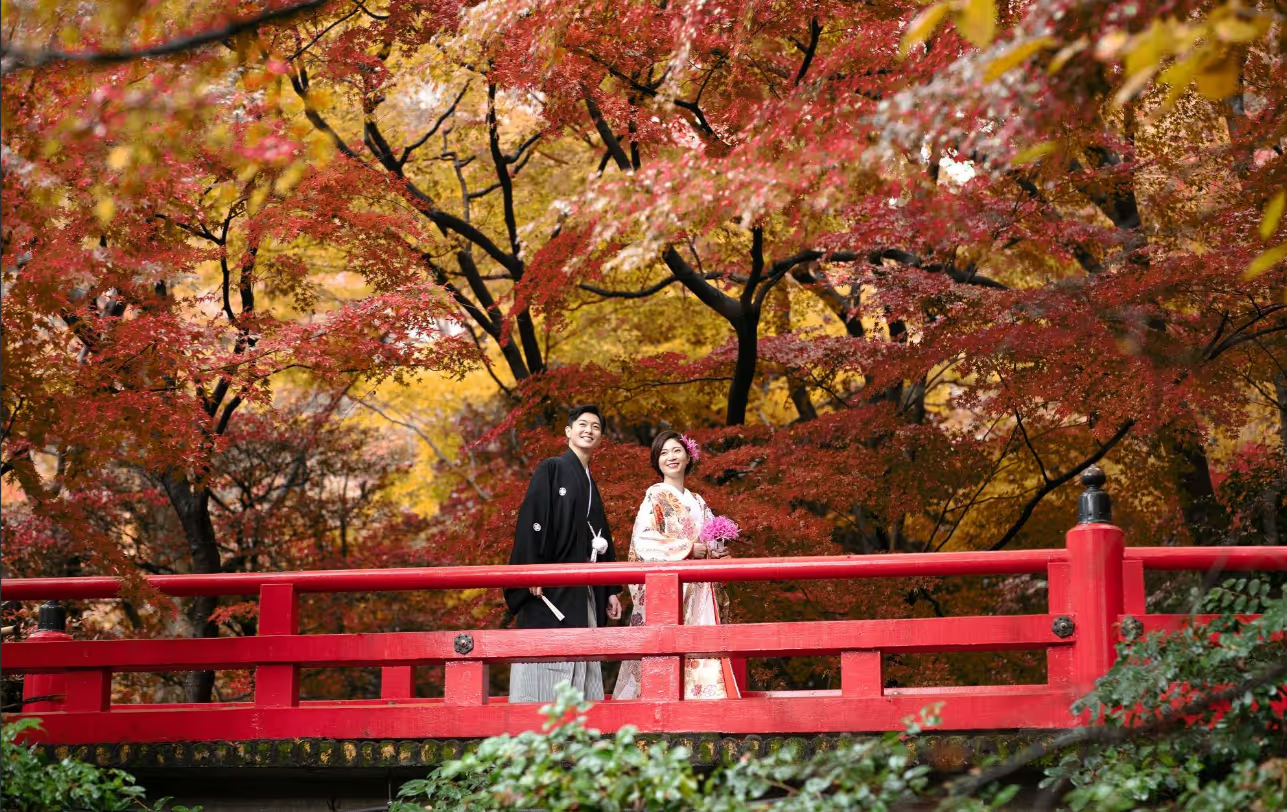
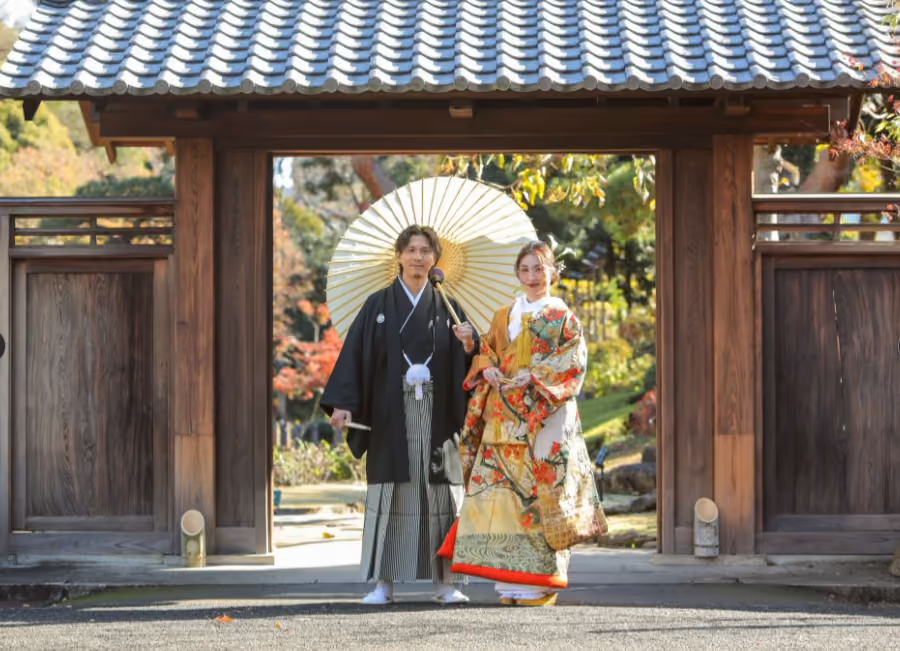
The bride traditionally wears a shiromuku — an entirely white kimono representing purity — often topped with a wataboshi (a soft white hood) or a tsunokakushi headpiece. The groom wears a formal black hakama. Later in the day, the bride often changes into a vivid iro-uchikake — an embroidered outer robe in deep reds or golds — for the reception.
What makes it special: There's a quality of stillness and depth to a Shinto ceremony that's hard to describe. Even guests who don't speak Japanese, or who come from entirely different religious backgrounds, often say it was one of the most moving things they've ever witnessed.
A few things to know: Shinto ceremonies are typically intimate — many shrines limit guest numbers to 20–50 people. Photography access inside the sanctuary is often restricted. And not all shrines accept foreign nationals for formal Shinto weddings, so it's worth confirming early (your consultant can help with this).
---
⛪ A Western-Style Chapel Ceremony
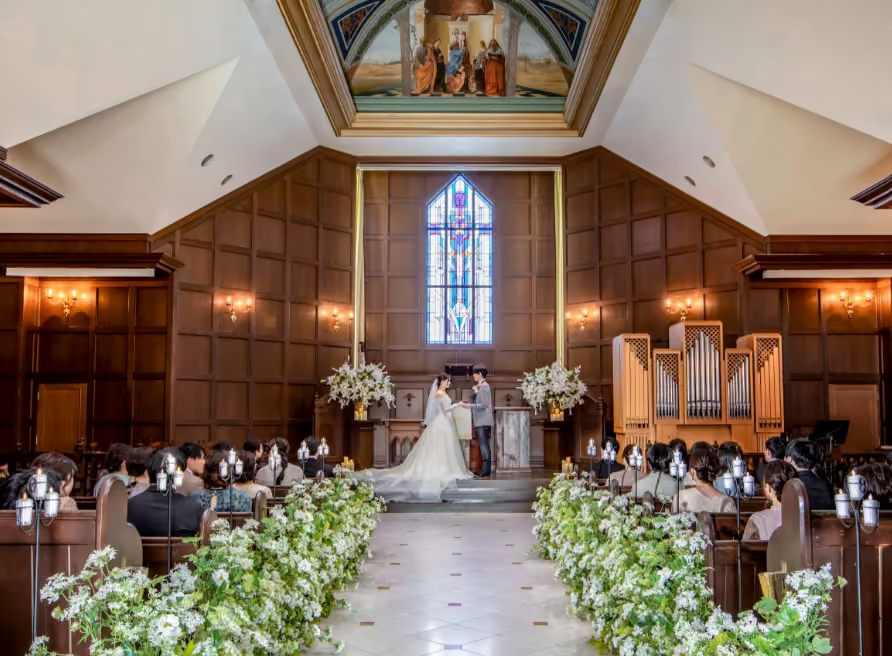
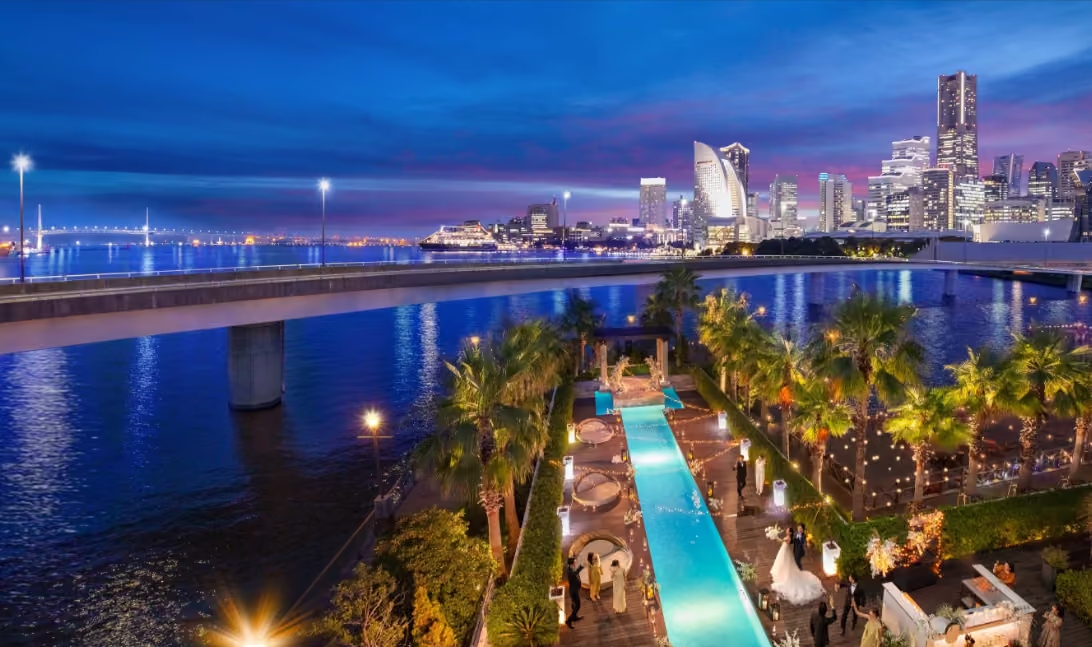
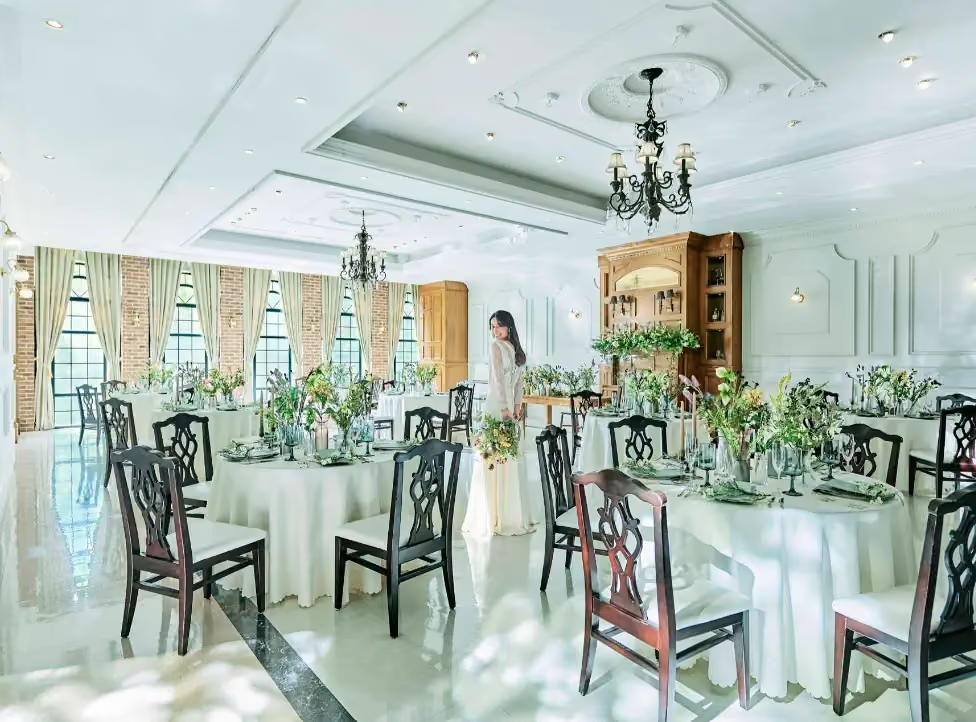
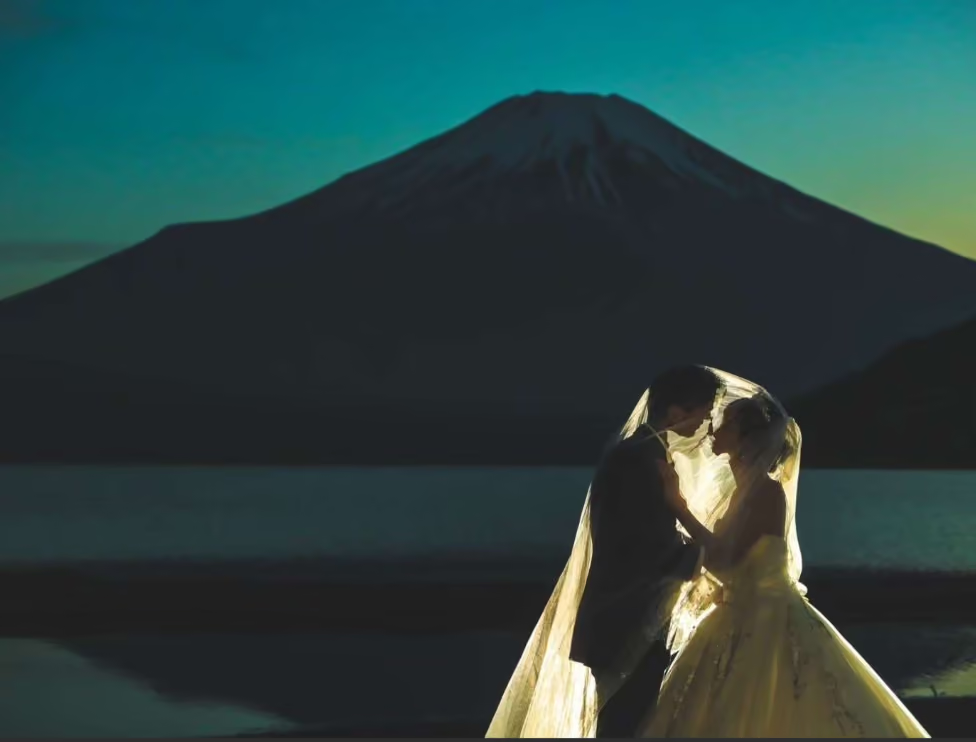
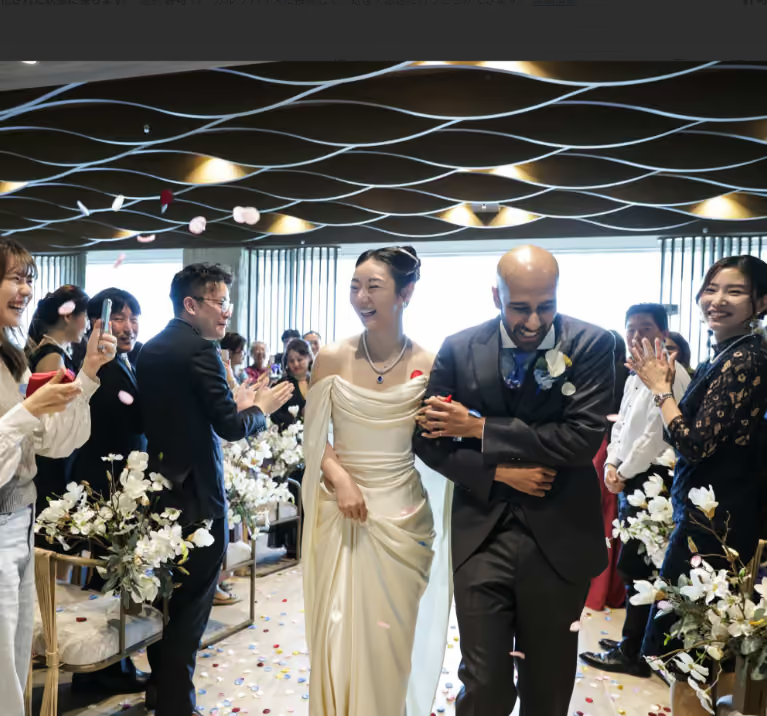
Japan's Western-style wedding venues range from dramatic stone chapels and glass-walled spaces overlooking the sea, to garden terraces, rooftop venues, and intimate hotel ballrooms.
The ceremony structure follows a familiar format: a processional, personal vows, ring exchange, and a blessing from an officiant (usually a non-denominational minister). The language, the script, and the tone are all customizable — and most venues are set up to accommodate bilingual ceremonies, so guests from different backgrounds can follow along.
Western-style ceremonies in Japan tend to be more flexible by design. You can shape the ceremony to reflect who you both are — where you come from, what you believe, what you want to say to each other.
What makes it special: The combination of Japan's extraordinary venues — often with nature, architecture, or skyline views that you couldn't find anywhere else — with the warmth and personalization of a ceremony that feels entirely yours.
A few things to know: Western chapel ceremonies at Japanese hotels and dedicated wedding venues are typically symbolic rather than legally binding. This is actually quite normal in Japan — many couples handle the legal paperwork separately at a municipal office (or in their home country) and treat the ceremony itself as the meaningful celebration.
---
✨ The In-Between: A Blended Ceremony
Here's something worth knowing: you don't have to choose.
Japan's wedding culture already builds in costume changes — where a bride might wear a shiromuku for the ceremony and change into a Western dress for the reception, or vice versa. This tradition makes a blended approach feel completely natural, not like a compromise.
Many couples work with iry to design something like:
- A Shinto ceremony at a shrine, followed by a Western-style reception at a nearby hotel
- A Western ceremony with a *san-san-kudo* sake ritual incorporated into the vows
- A kimono fitting and photo shoot (maedori) on a separate day, with a Western ceremony on the wedding day itself
There are no rules here. The best Japan weddings tend to be the ones that reflect the couple genuinely — not a package, but a day that feels like theirs.
---
How iry Helps You Decide
This is one of the first things we love to explore with couples — because the right answer is so personal, and it often surprises people.
Some couples arrive thinking they want a Shinto ceremony and discover, through conversation, that what they're really drawn to is the kimono and the sense of tradition — which they can incorporate into a Western ceremony just as beautifully. Others arrive certain they want something familiar and, after seeing a shrine for the first time, completely change their minds.
iry has relationships with both shrine venues and Western chapel venues across Japan — and we know which ones are genuinely welcoming to international couples, which ones offer the most flexibility, and which ones are simply the most beautiful in their category.
We'll listen to what you're imagining, share what we've seen work, and help you find the setting that fits.
Start a free conversation with iry → https://www.iry-party.com/contact