Published by iry | Destination Wedding Agency Japan
---
Japan has a way of making every season feel like the best one.
Walk through Kyoto in November and you'll be convinced autumn is the answer. Stand under a canopy of cherry blossoms in April and spring becomes obvious. See a snow-covered shrine in Hakone in February, or a lantern-lit garden on a warm August evening, and suddenly every season has a case to make.
The truth is: there is no universally "best" time to get married in Japan. But there is a best season for you — depending on what you love, how many guests you're inviting, and what kind of photographs you dream of.
Here's an honest look at all four.
---
🌸 Spring (March – May): The Iconic Choice
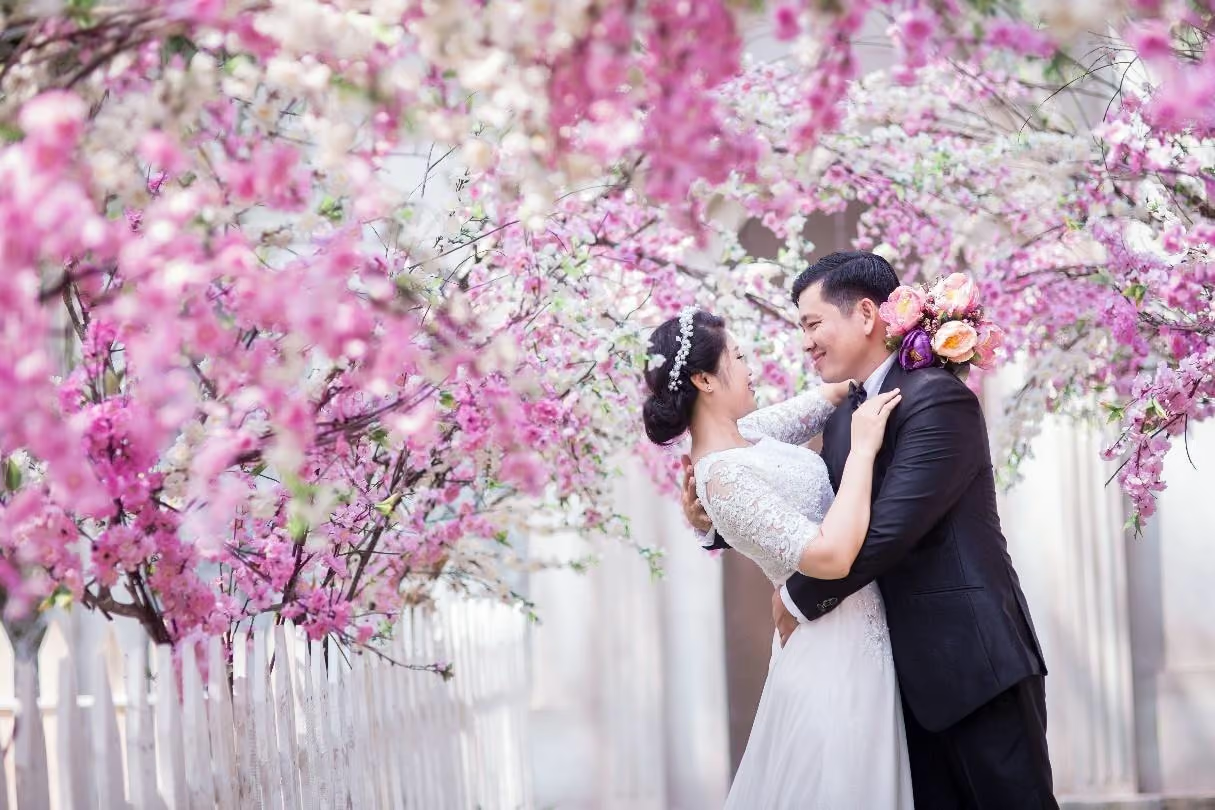
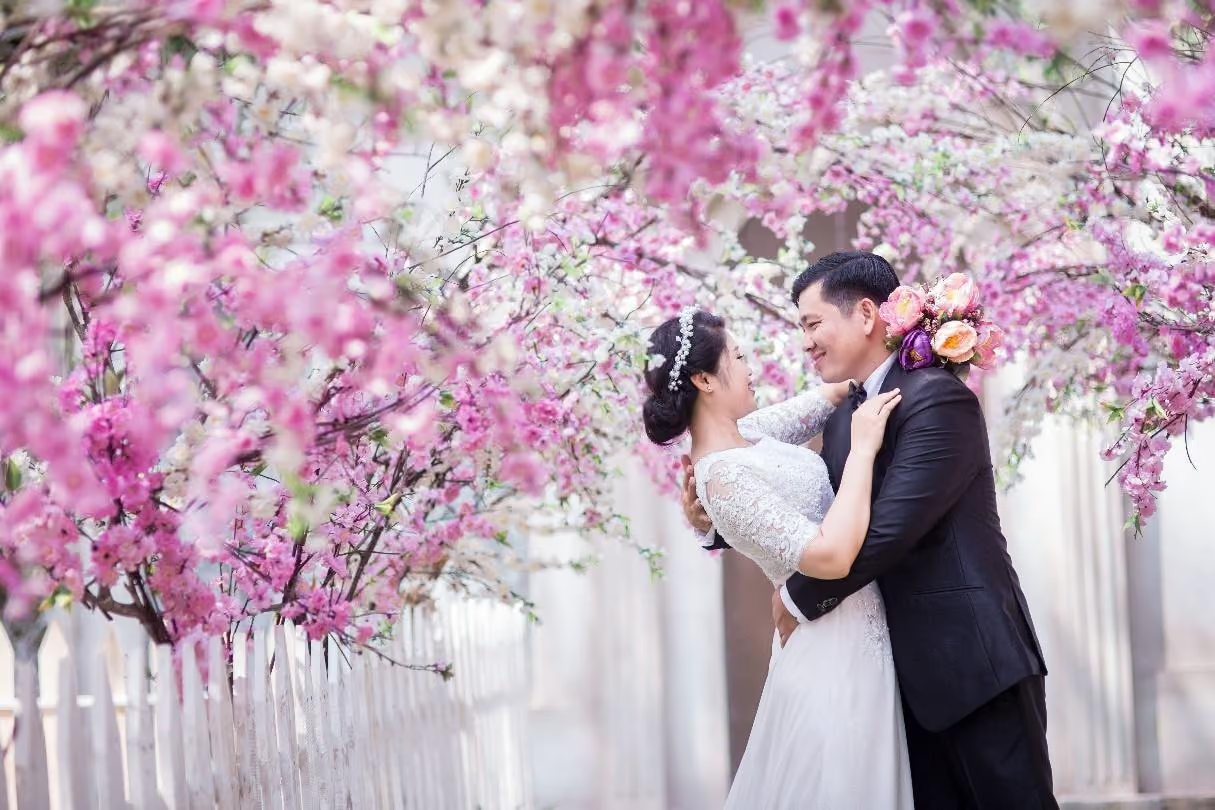
The Appeal: Cherry blossoms. If you've ever seen a photograph of a bride standing beneath a canopy of “sakura“, you already understand why spring is the most requested season for weddings in Japan. The blossoms typically peak in late March to mid-April in Tokyo and Kyoto — a window of just one to two weeks — and the light during that time is genuinely unlike any other.
Beyond the blossoms, spring weather is mild and comfortable for guests. The country feels celebratory. Everything is in bloom.
The Honest Trade-off: Spring is Japan's peak everything. Hotels book out months — sometimes a year or more — in advance. Popular venues in Kyoto during cherry blossom season are among the most competitive bookings in the country. Golden Week (late April to early May) is one of Japan's busiest travel periods, which affects both travel costs and venue availability.
Best For: If you strongly wish to have your photos taken against a backdrop of cherry blossoms, be sure to plan well in advance.
---
🌿 Summer (June – August): Lush, Vibrant, and Underestimated
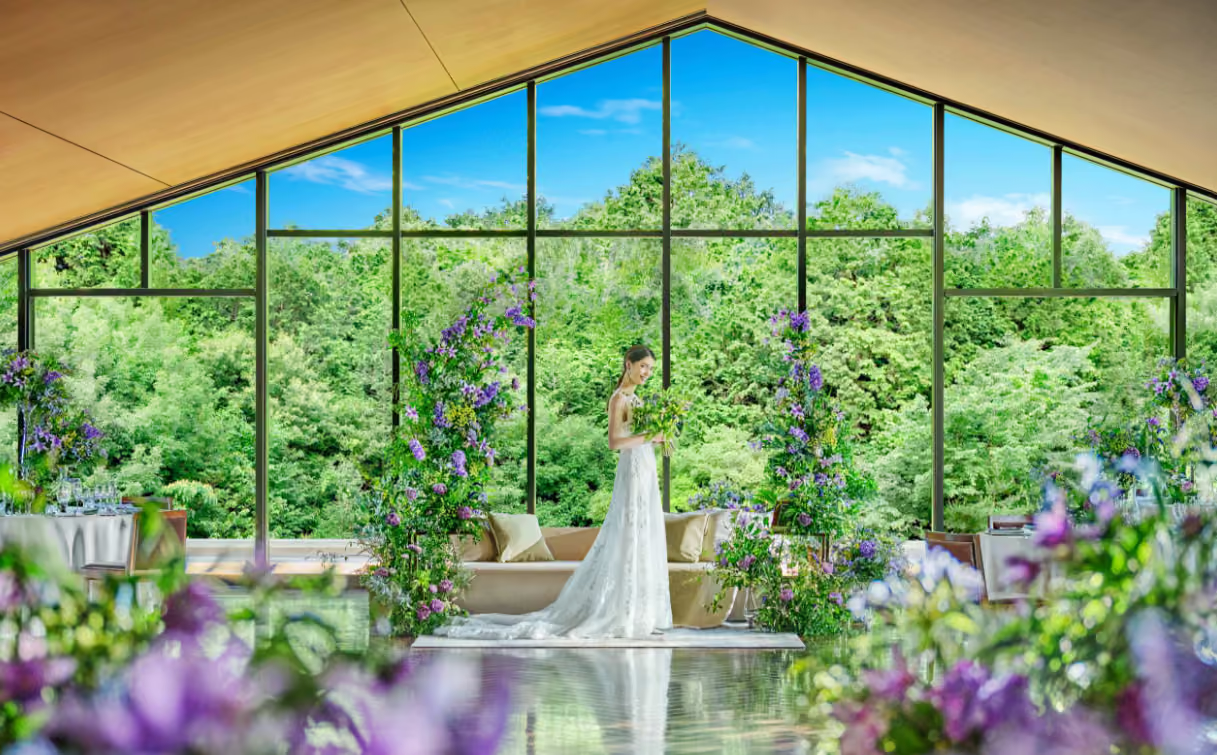
The Appeal: Japan in summer is alive. The country runs vibrant matsuri (festivals), firefly evenings, and lush green landscapes. For couples open to mountain or northern venues — Hokkaido, the Japanese Alps, Karuizawa — summer is genuinely lovely: cool air, wildflower meadows, and far fewer crowds than spring or autumn.
Summer also brings a certain energy to wedding celebrations. Evening garden receptions feel magical. Open-air venues in cooler regions shine.
The Honest Trade-off: June brings Japan's rainy season (tsuyu), which lasts four to six weeks and means overcast skies and persistent rain. July and August in Tokyo and Osaka are hot and humid in ways that can be genuinely uncomfortable for guests in formal attire.
Best For: Couples drawn to summer retreats, those who love the vibrancy and atmosphere of summer in Japan, and those who don’t mind an indoor-focused ceremony.
---
🍁 Autumn (September – November): The Quiet Favourite
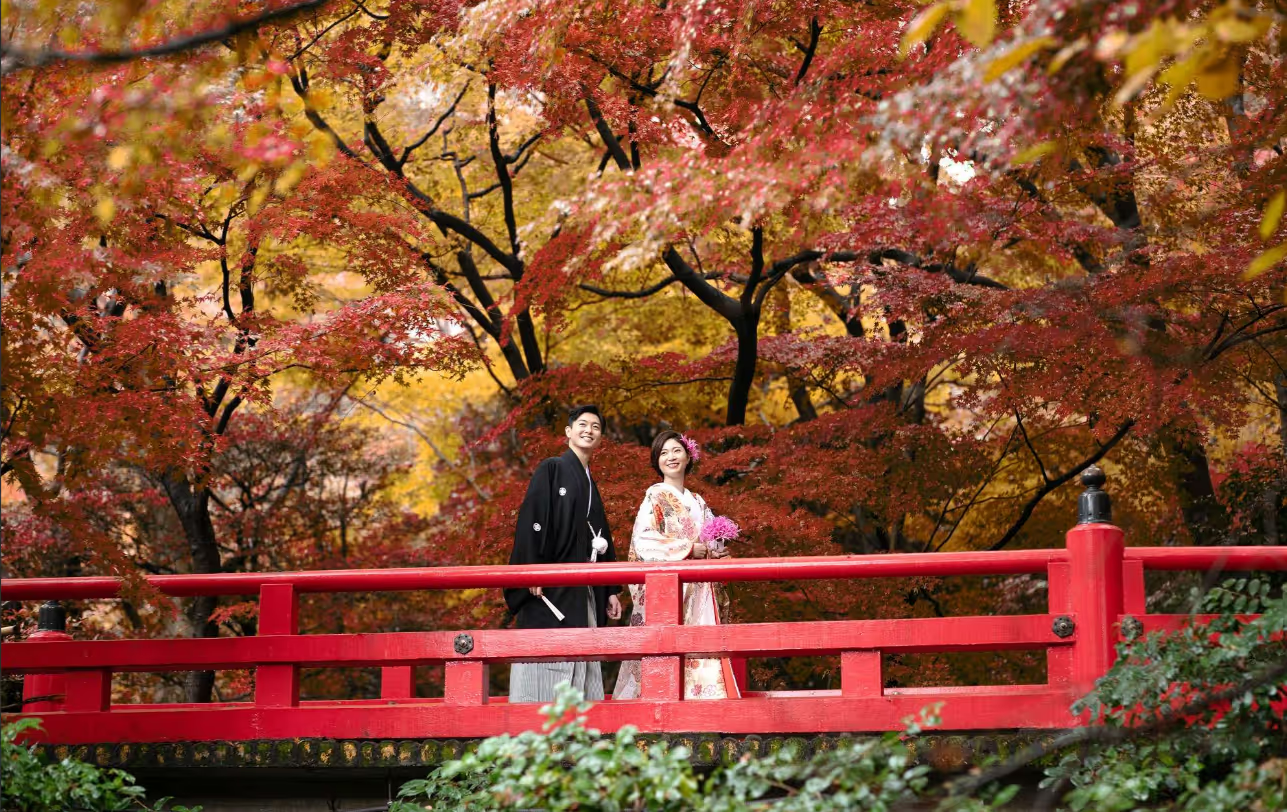
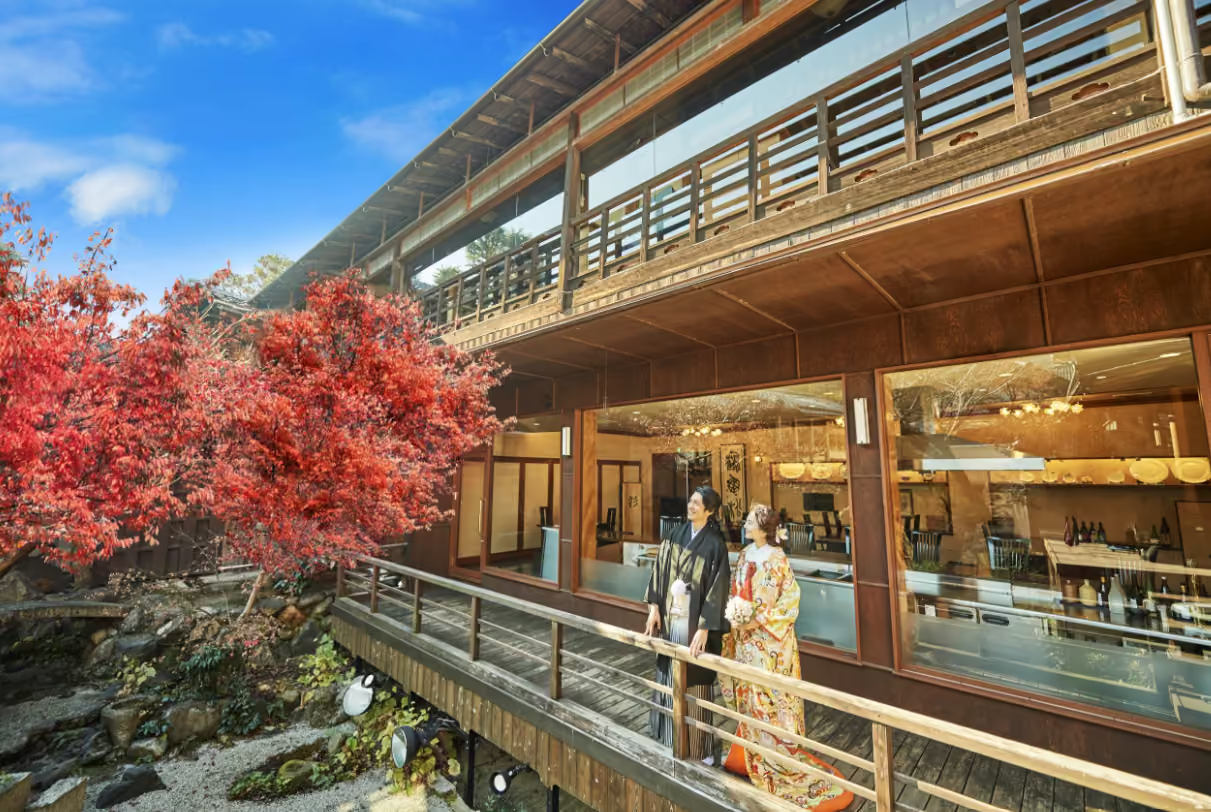
The Appeal: Autumn in Japan is, for many people who know the country well, the most beautiful season of all. The maple and ginkgo trees turn in shades of crimson, amber, and gold — typically from mid-October through late November — and unlike cherry blossoms, the colour often lasts two to three weeks rather than days. The skies are clear, the air is crisp, and the quality of natural light during this season is extraordinary for photography.
Autumn also carries a quality of warmth and richness that feels right for a wedding. The colours, the textures, the feeling in the air.
The Honest Trade-off: Popular venues during peak autumn weekends — especially in Kyoto — book out fast. It's not as rushed as cherry blossom season, but availability for marquee dates requires planning ahead.
Best For: Couples who want dramatic natural beauty, outstanding photography, and slightly more breathing room than spring. Often the season experienced wedding planners quietly love the most.
---
❄️ Winter (December – February): Intimate and Extraordinary
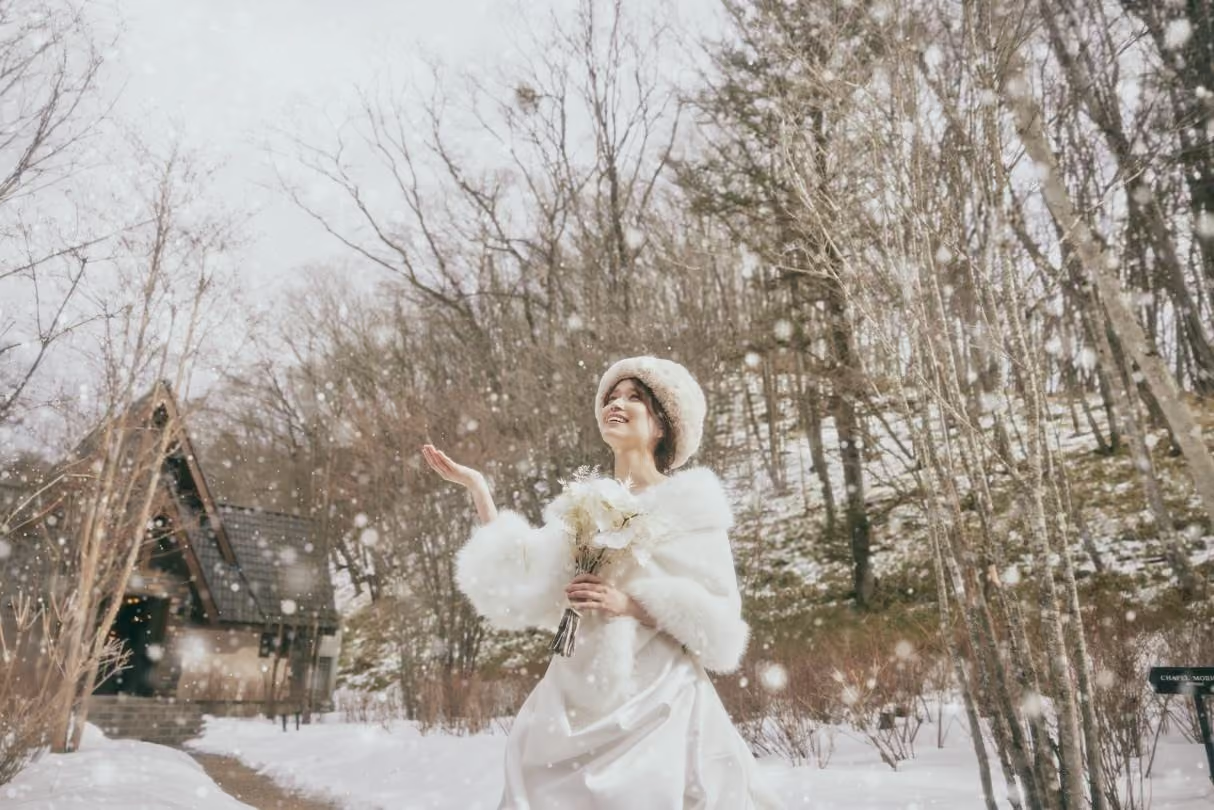
The Appeal: Winter is Japan's quietest wedding season — and for the right couple, one of its most beautiful. Snow-covered shrines. Frosted cedar forests. The extraordinary stillness of a traditional ryokan hot spring in the mountains,with guests warming themselves between meals and the ceremony. Venues that in summer feel busy have a spaciousness and intimacy in winter that's genuinely special.
Kyoto and Kamakura in winter have a quality of light and silence that summer crowds erase. Hokkaido and Hakuba offer snowscapes that are simply breathtaking. And with fewer couples choosing winter, venue availability is often greater, allowing for a more tailored and spacious planning experience.
The Honest Trade-off: Cold is real — particularly for outdoor elements. Some venues limit their outdoor spaces in winter. The ceremony and reception need to be designed thoughtfully for the season, rather than simply transplanted from a warmer-month format.
Best For: Couples seeking an intimate, atmospheric celebration; winter’s crisp air makes for beautiful photos.
So — Which Season Is Right for You?
Here's the honest answer: it depends less on the calendar and more on what you love.
If you're drawn to a particular image — the sakura backdrop, the autumn forest, the snow-covered shrine — start there. If you're more flexible on look but have strong feelings about guest comfort, or a venue style you're set on, let those lead.
What matters most is finding a season that genuinely fits your vision — not the season that looks best in someone else's wedding photos.
The way you spend your day varies significantly depending on the season—from the venue's atmosphere and the look of your photos to the guest experience and your choice of attire. Deciding on the season early on will make every subsequent decision much smoother.
We look forward to helping you discover your perfect season in Japan.