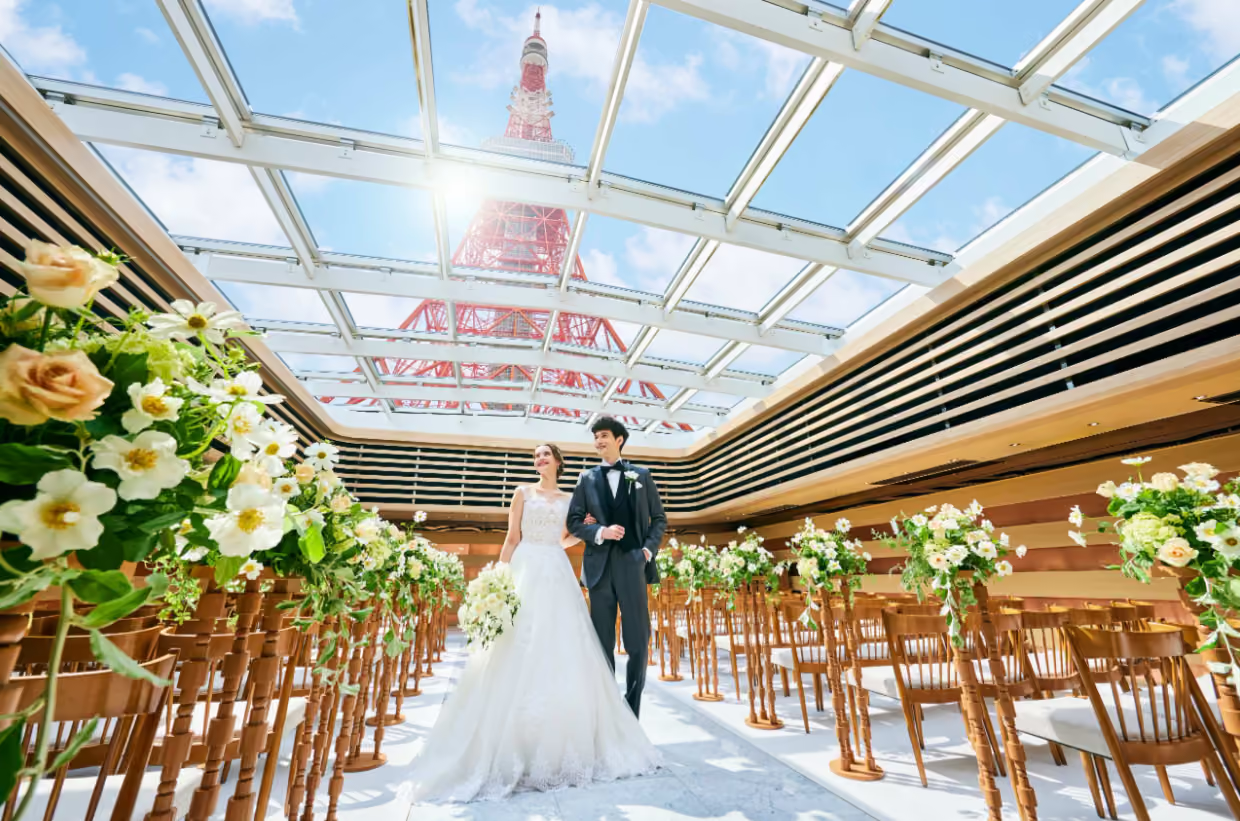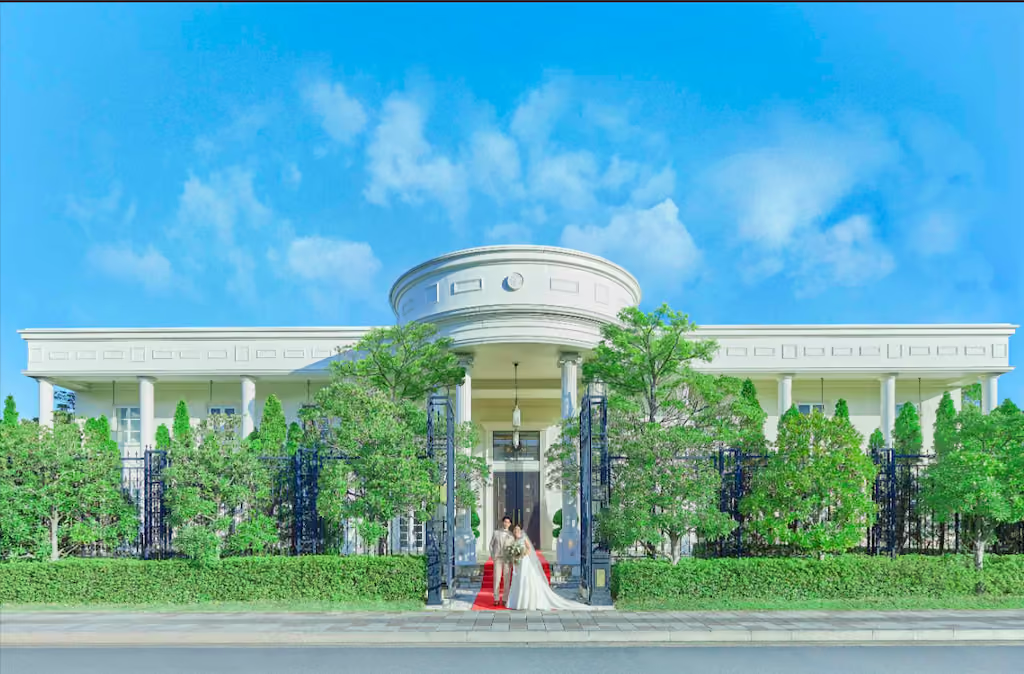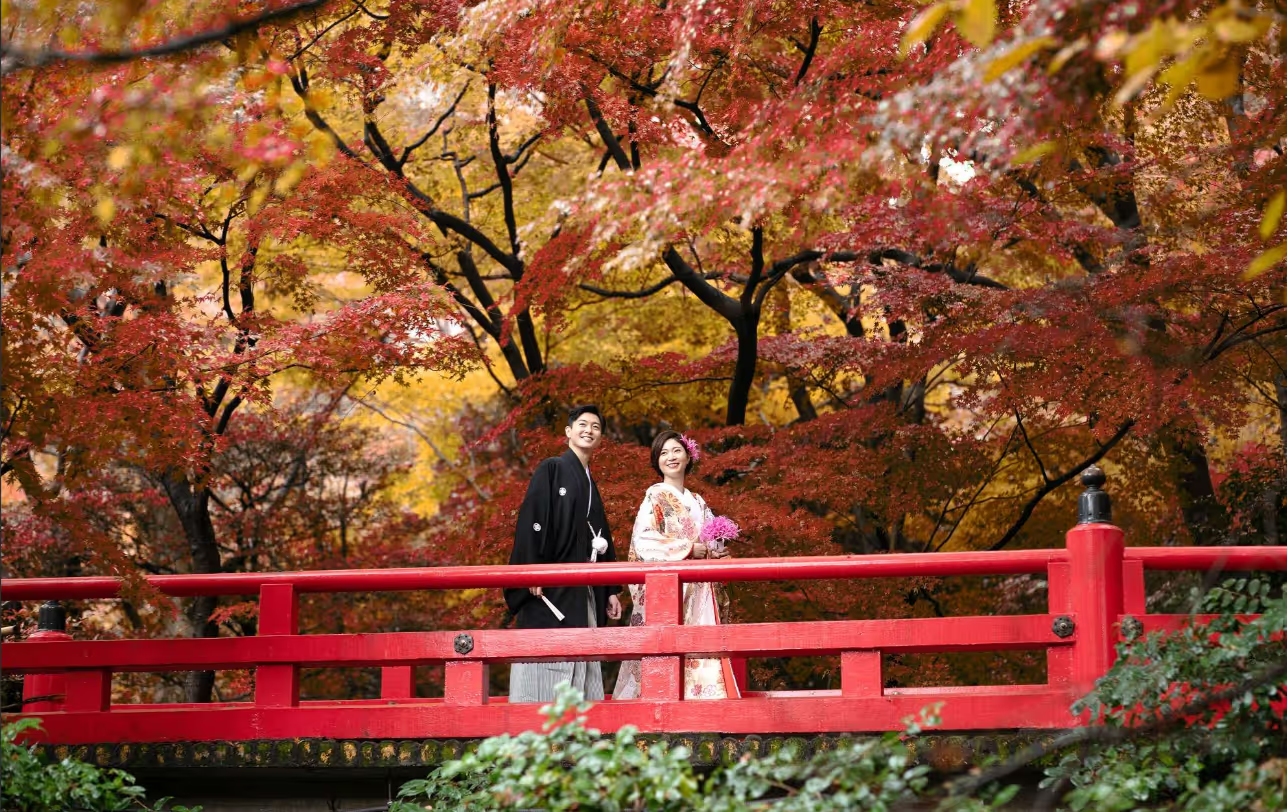


If you receive a wedding invitation from a friend and have never attended a Japanese wedding before, you may have a few questions.
What do I wear? What do I bring? What actually happens at the reception? And how do I say congratulations without getting it wrong?
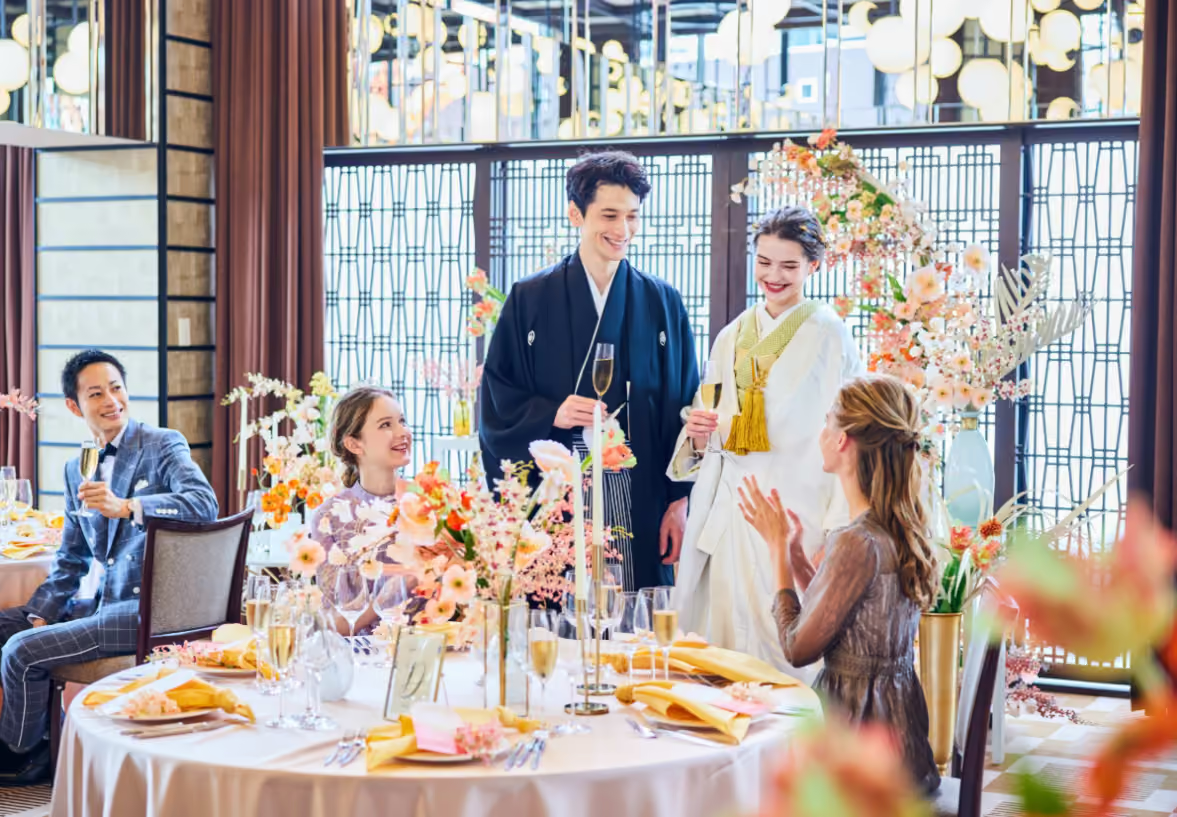
This guide is here to answer all of it. Consider it a warm briefing from a friend who's been before.
What to Wear
Japanese weddings tend to be more formal than their Western equivalents. When in doubt, dress up rather than down.
For women: A formal dress or suit in an elegant, conservative tone. Navy, champagne, dusty rose, deep jewel tones, and soft neutrals all work beautifully. Two colours to avoid:
- White — white is the bride's colour in Japan, and wearing it as a guest is considered very poor form
- Black head-to-toe — pure black can carry associations with mourning, though this is becoming less strict at Western-style receptions. A black dress with coloured accessories is generally fine
Sleeveless dresses are acceptable at receptions. For a Shinto shrine ceremony, a wrap or bolero shows thoughtfulness.
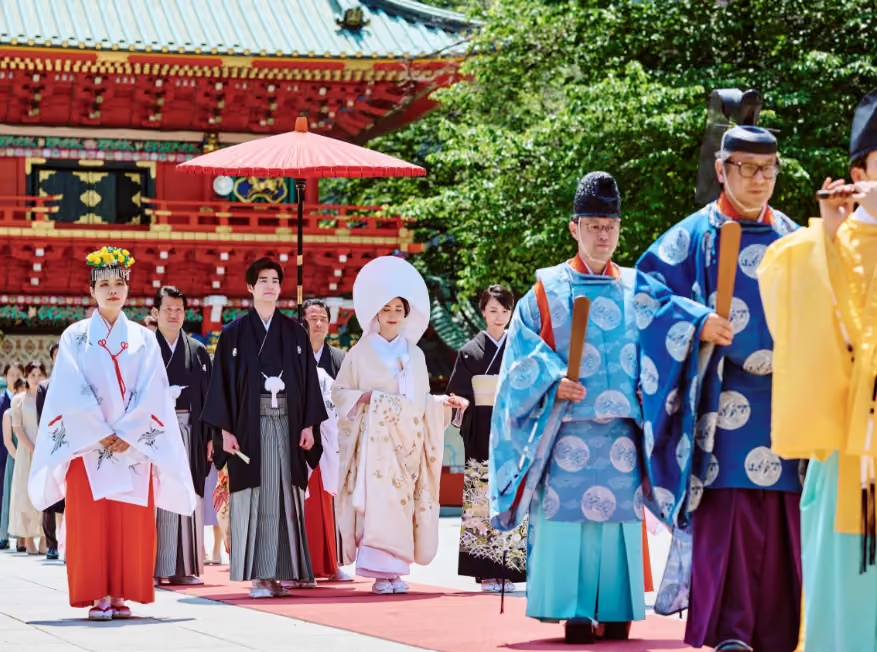
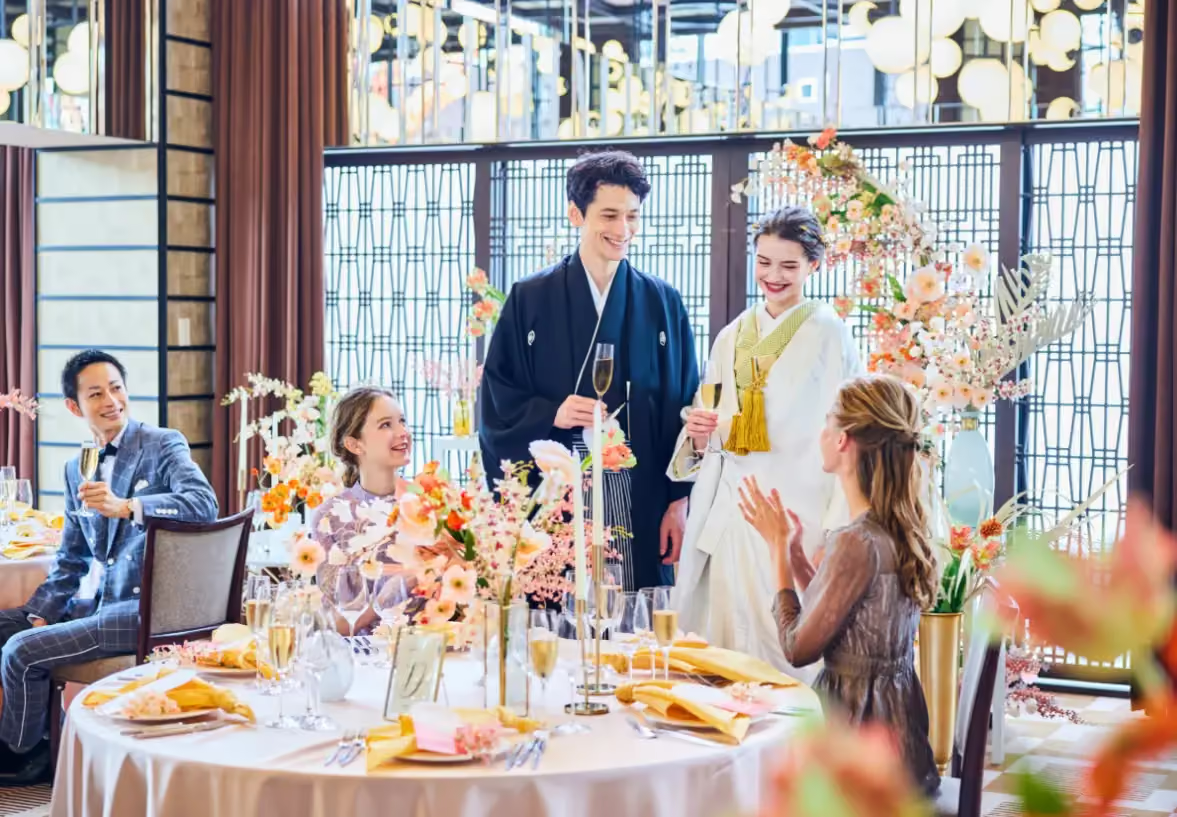
For men: A dark suit — navy or charcoal — with a conservative tie. Avoid anything too casual or novelty. If it's a Shinto ceremony and you'd like to make a particularly warm impression on the families, some men choose to rent a hakama (formal Japanese men's attire), which is always appreciated though never expected.
The Gift: Cash in an Envelope
Japanese wedding gifts are almost always given as cash, presented in a specially decorated envelope called a goshugi bukuro (ご祝儀袋). This is the custom — not a registry, not a wrapped present.
The amount matters. The standard gift from a close friend or colleague is ¥30,000. Amounts like ¥20,000 and ¥40,000 are traditionally avoided — even numbers can be associated with things that divide, and ¥40,000 contains the number four (四), which sounds like the word for death in Japanese. Odd numbers are preferred.
The notes must be new. Crisp, uncirculated banknotes only. Used or crumpled bills are considered disrespectful. Most Japanese banks and convenience store ATMs can provide new notes.
Fill out the envelope carefully. The front of the outer envelope should be written in black ink with your full name. The inner envelope holds the cash. The flap folds down, not up — up is reserved for mourning occasions.
If you're genuinely unsure about any of this, it's completely acceptable to ask the couple directly. They will almost certainly appreciate the thoughtfulness behind the question.
At the Ceremony
Arrive early. Punctuality is taken seriously at Japanese ceremonies. Arriving five to ten minutes before the start time is ideal. Arriving late is considered disrespectful.
Silence your phone completely — not just on vibrate. Off, or fully silent with no vibration.
Photography inside the ceremony space is often restricted, especially at Shinto shrine ceremonies. Don't assume you can photograph freely. Follow the lead of other guests, and if you're unsure, wait until after the ceremony to ask.
Bowing is the correct greeting. A gentle, sincere bow in return is always appropriate. You don't need to perfect the angle — the intention reads clearly.
At the Reception
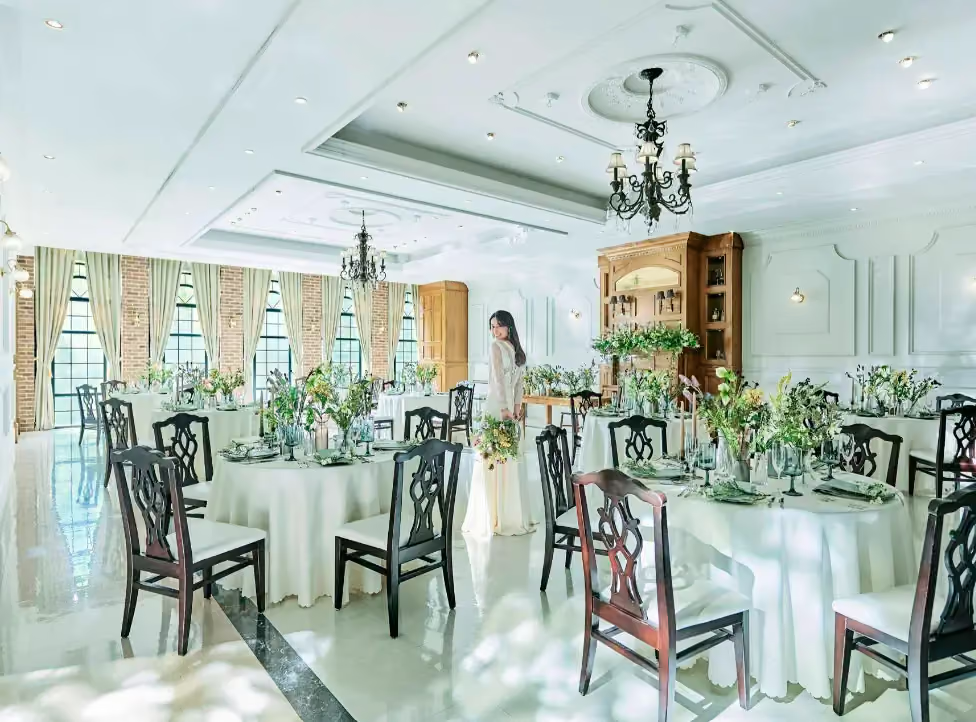
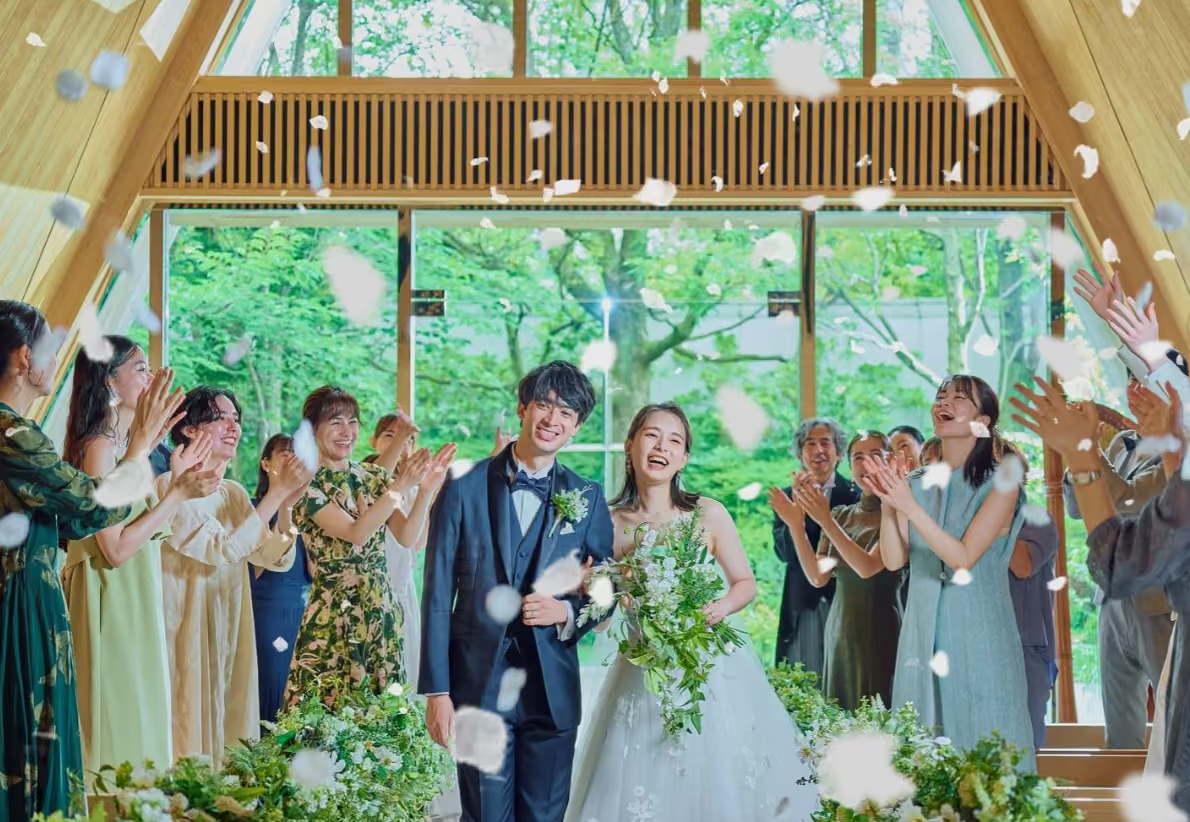
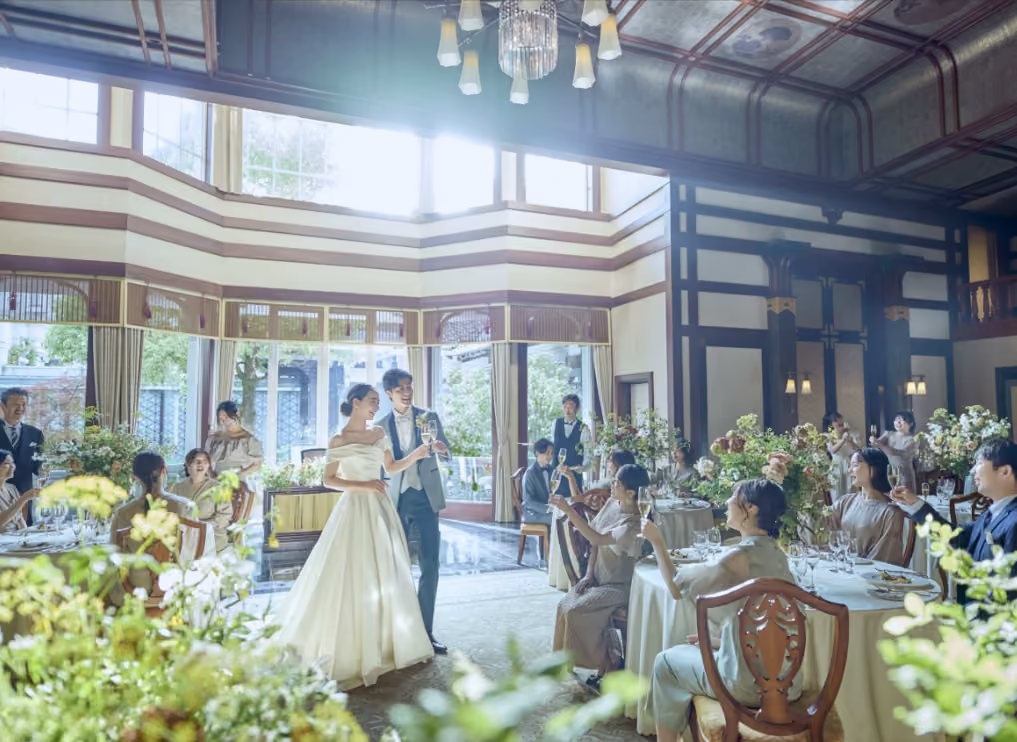
Japanese wedding receptions are structured, warm, and often longer than guests expect — typically two to three hours, with a clear program.
The seating is assigned. You'll be guided to your seat, which has been carefully arranged. Don't move seats without checking first.
Toasts happen throughout the meal. When a toast is raised, raise your glass and drink. If you're asked to give a speech, keep it warm, personal, and brief. Avoid anything that might embarrass the couple — Japanese receptions tend toward the formal and sincere.
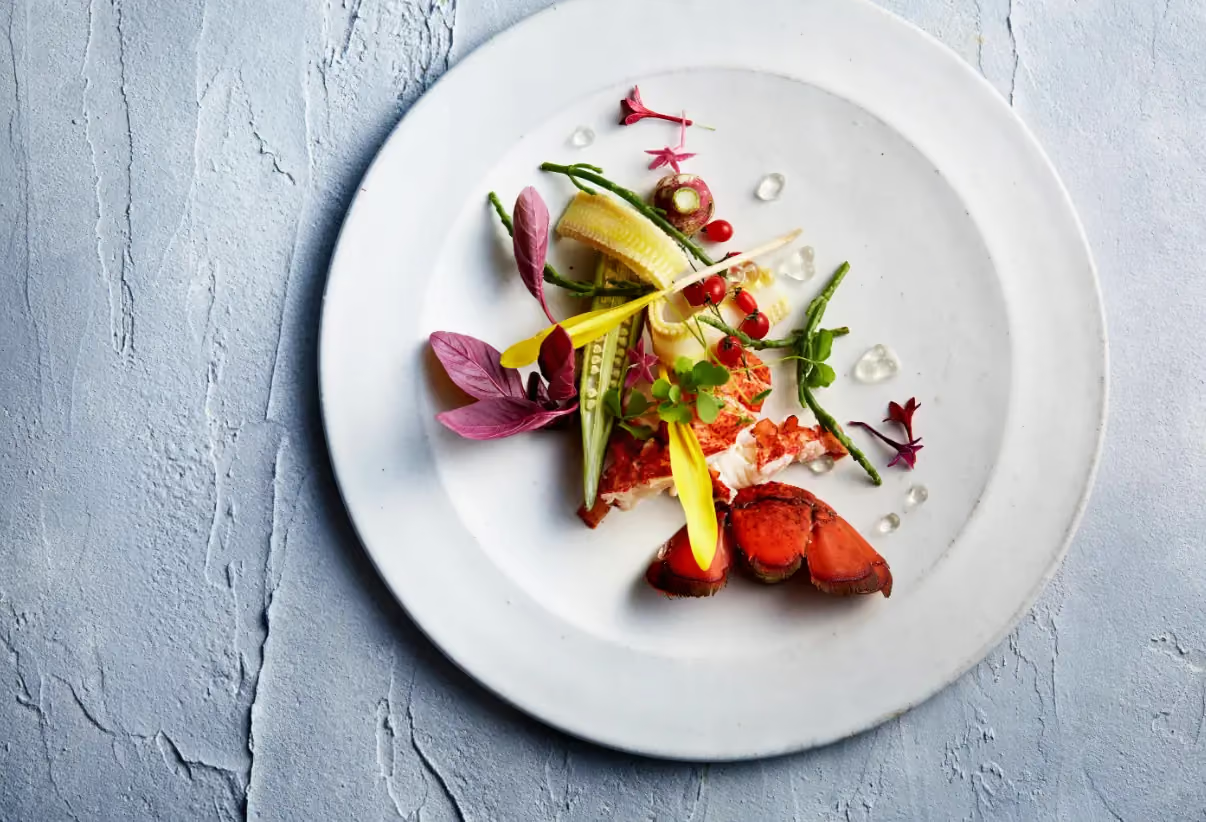
The meal is an experience. Whether it's Kaiseki multi-course dining, French-Japanese fusion, or another style, the food at Japanese weddings is consistently extraordinary. Take your time with it.
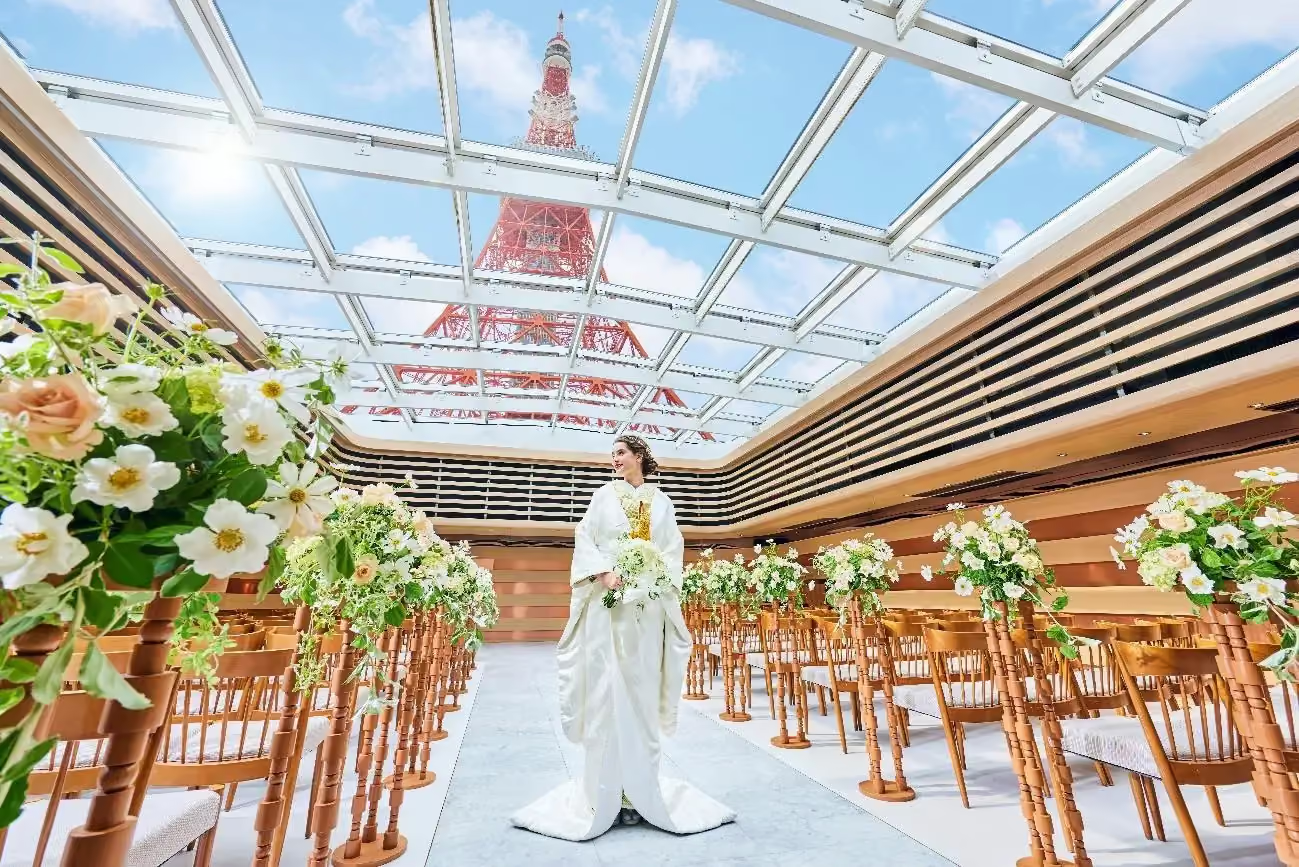
Costume changes are normal. The bride may change outfits during the reception — from a white shiromuku kimono to a coloured iro-uchikake, or from a wedding dress to a colored dress. This is a traditional and joyful part of the day, not an interruption.
At the end, you'll receive a gift. Japanese couples give every guest a hikidemono — a thoughtfully chosen parting gift, usually in a beautiful box — as a thank-you for attending. Carry it home with care.
A Few Words in Japanese
You don't need to be fluent, but a few words go a long way.
Omedetou gozaimasu (おめでとうございます) — Congratulations. The most important phrase of the day.
Yoroshiku onegaishimasu (よろしくお願いします) — A versatile phrase of goodwill, used when meeting the couple's families for the first time.
Itadakimasu (いただきます) — Said before eating, as a gesture of gratitude for the meal.
Gochisousama deshita (ごちそうさまでした) — Said after the meal, to express thanks. Saying this to a server or host will be warmly received.
The Most Important Thing
Japanese wedding culture places enormous value on sincerity. You don't need to get every custom exactly right. What matters is that your presence is genuine, your attention is present, and your warmth for the couple comes through.
The couple who chose to include you in one of the most important days of their lives — will feel it.
Enjoy every moment. You're about to experience something genuinely special.
Are you the couple getting married? iry helps international couples plan weddings in Japan that feel personal, accessible, and beautifully executed — with native-language support in 7 languages and a network of 150+ venues.