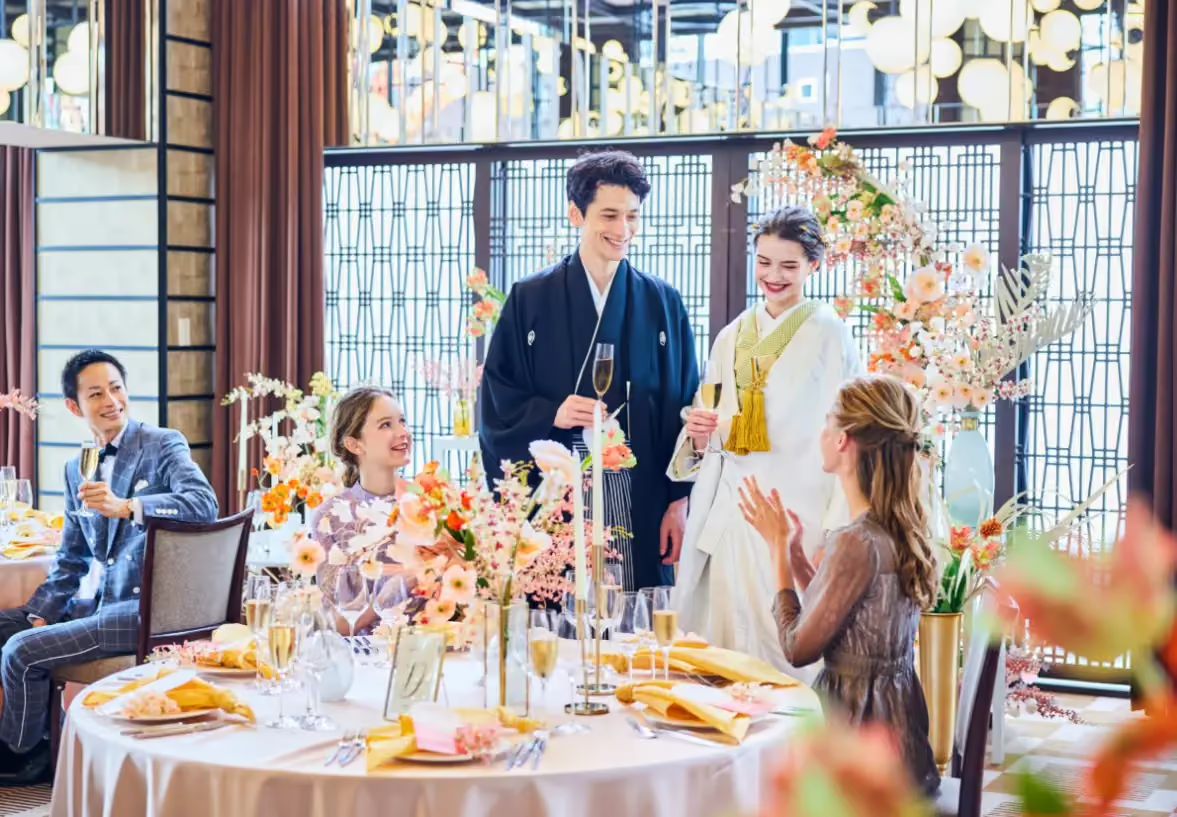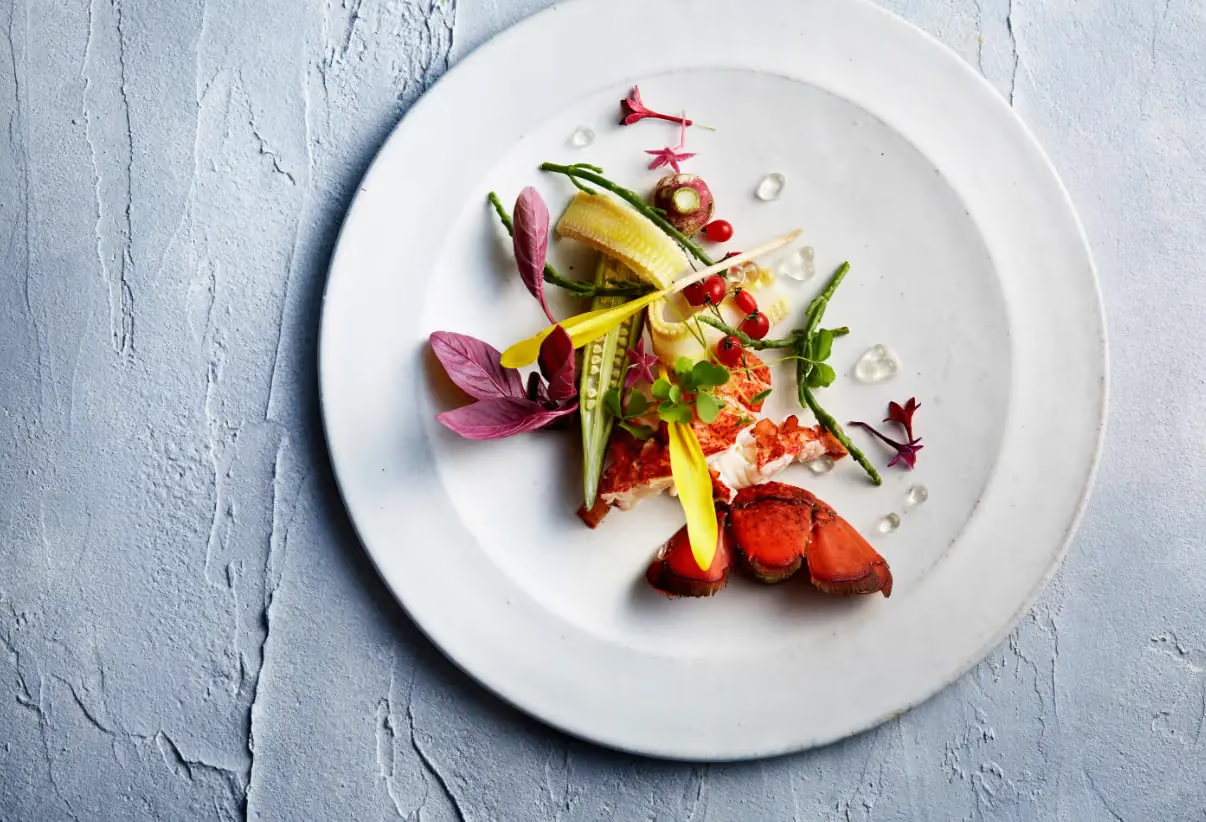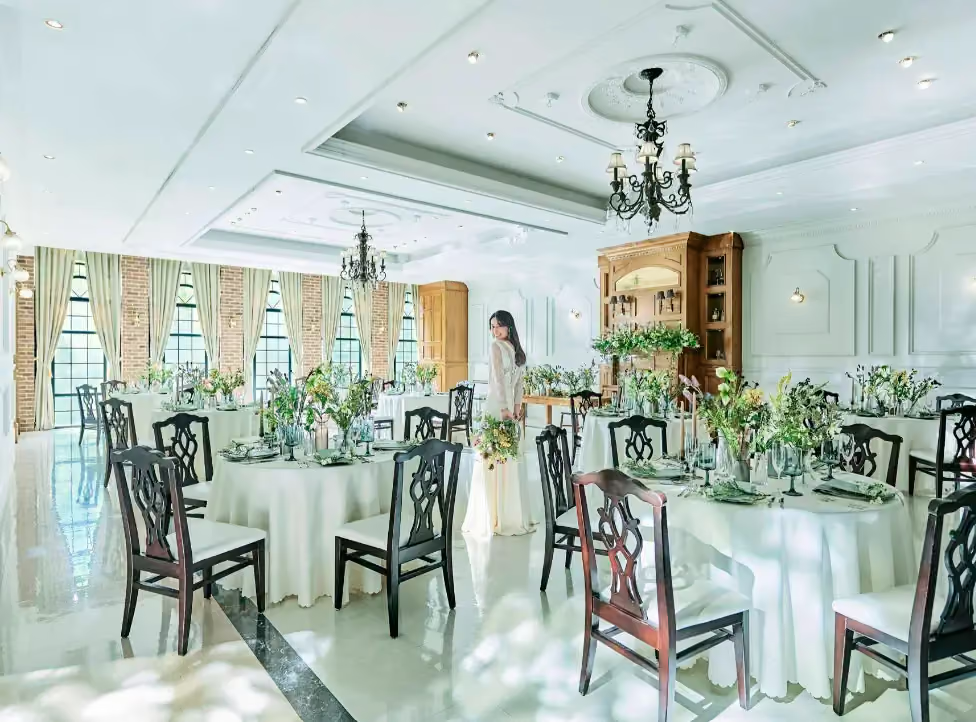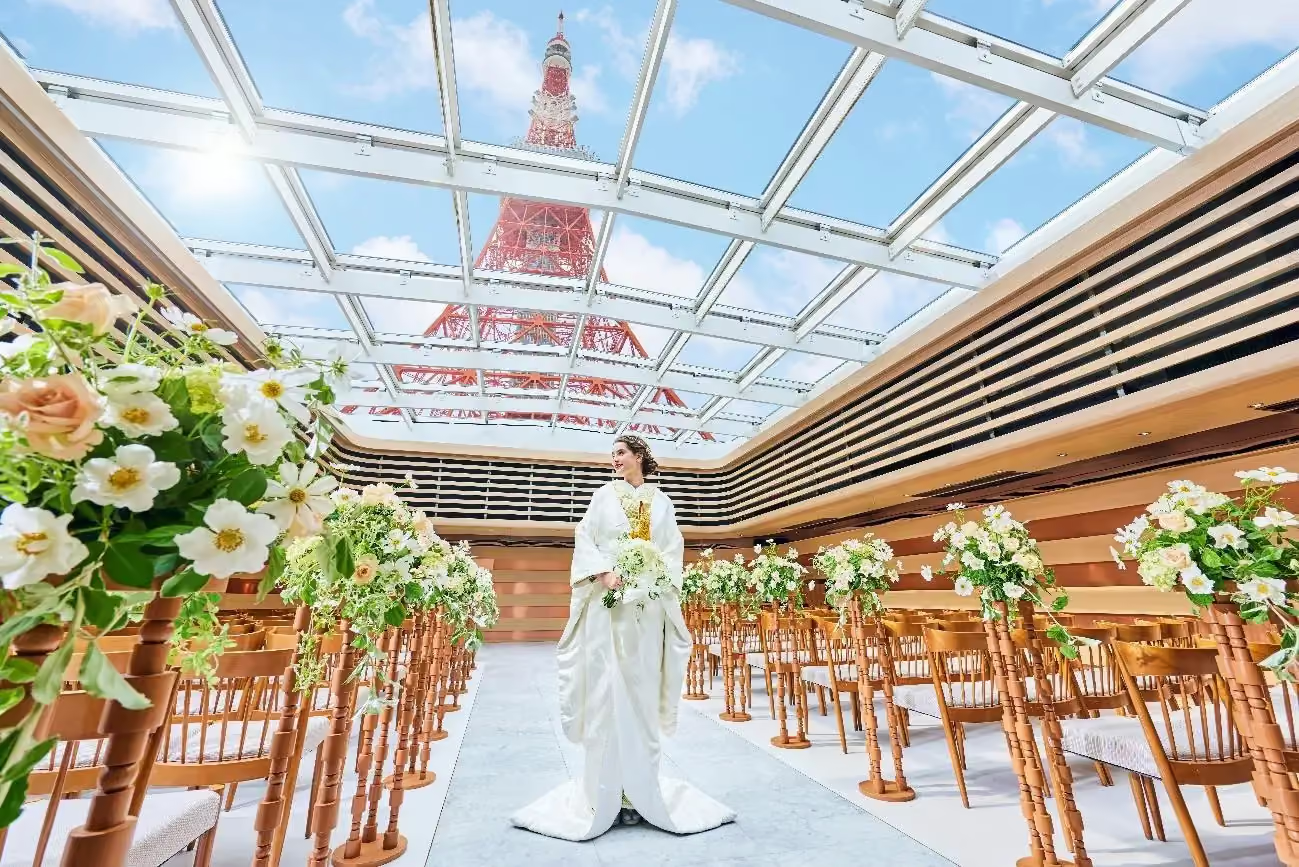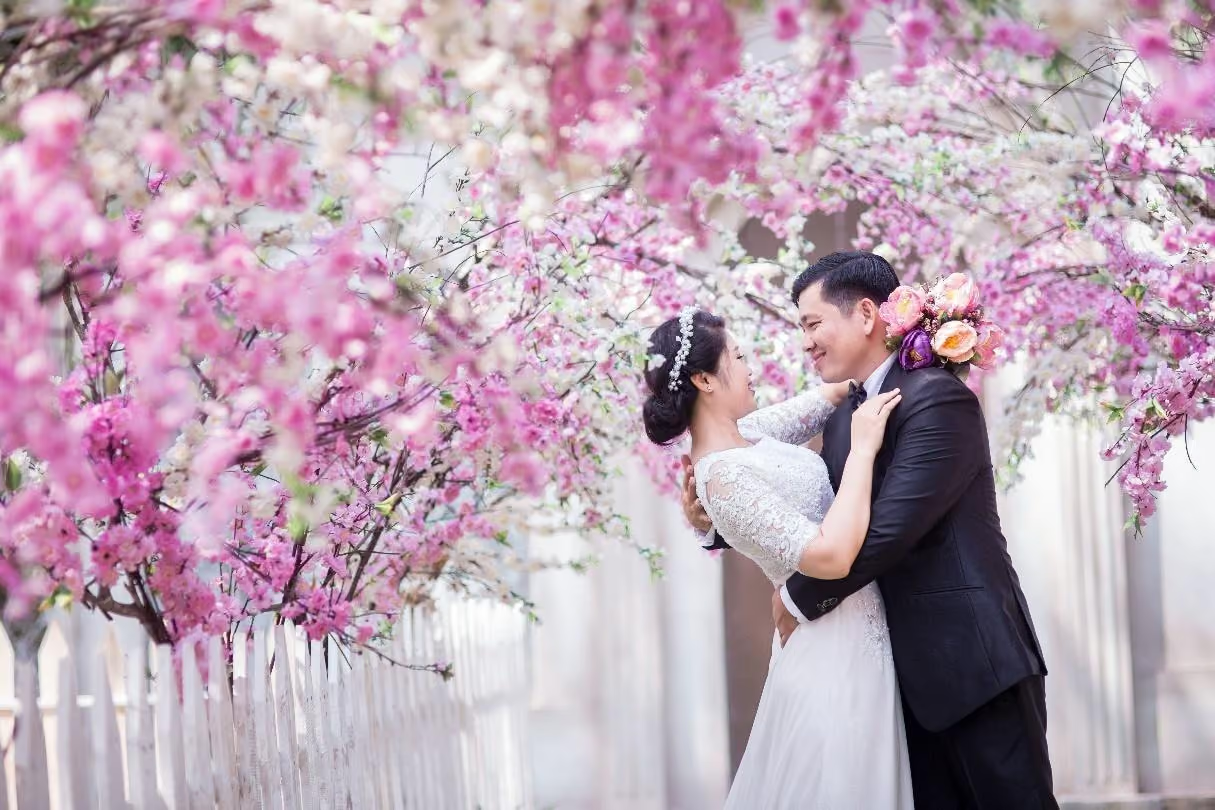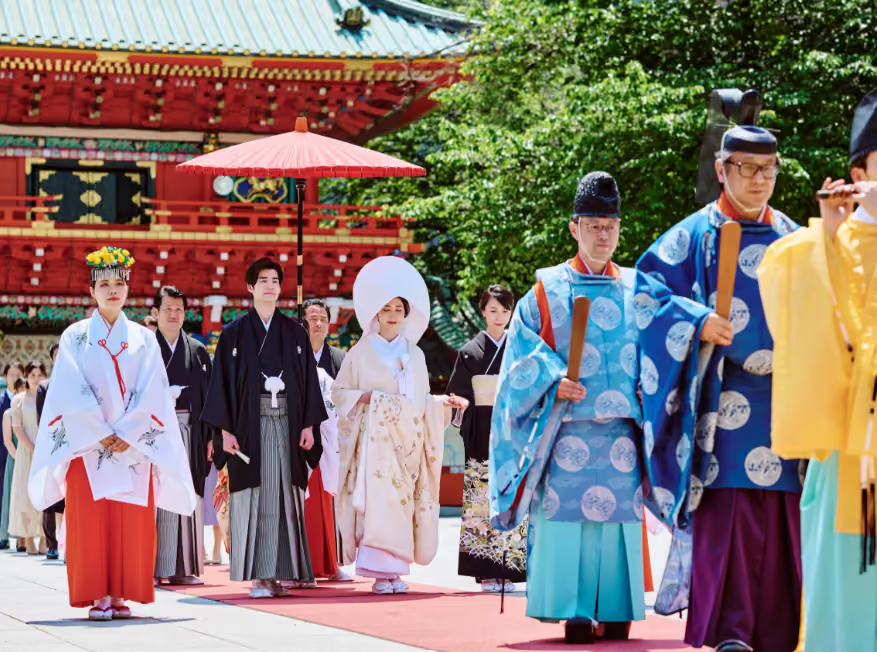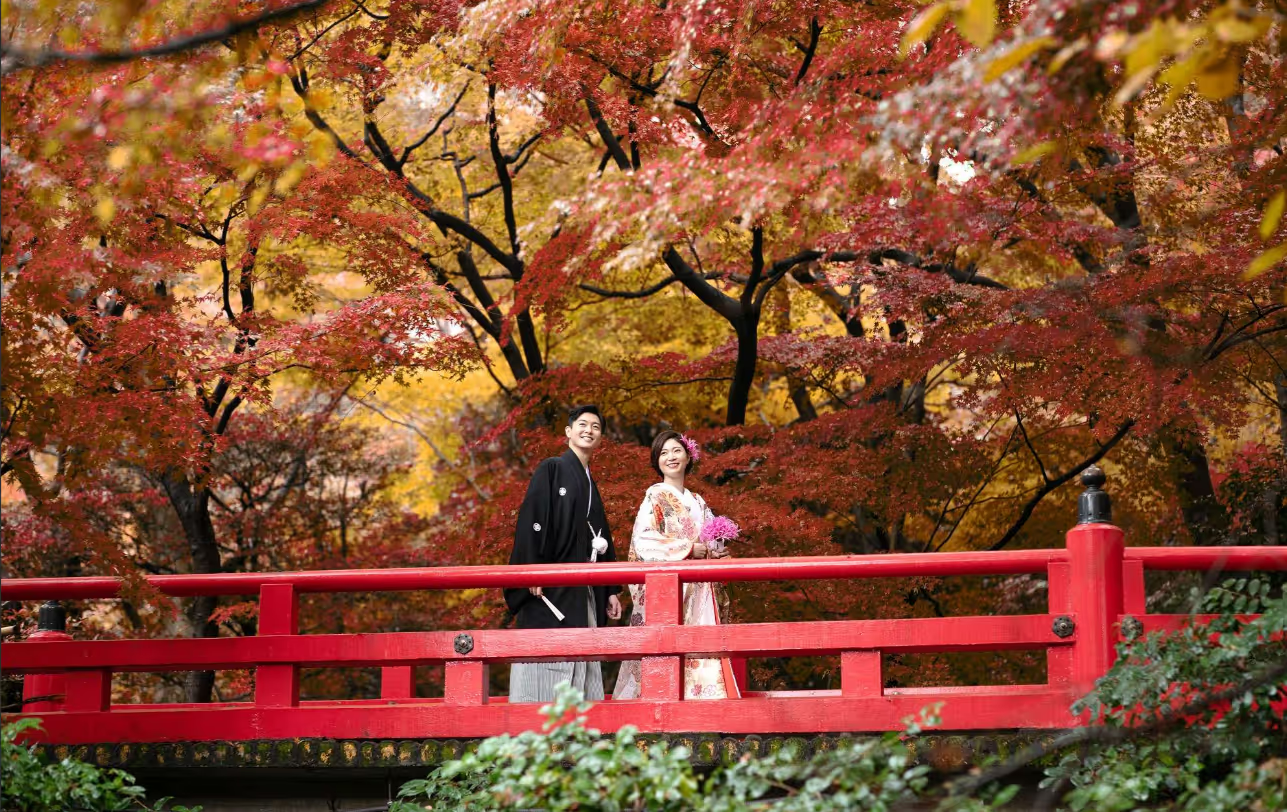


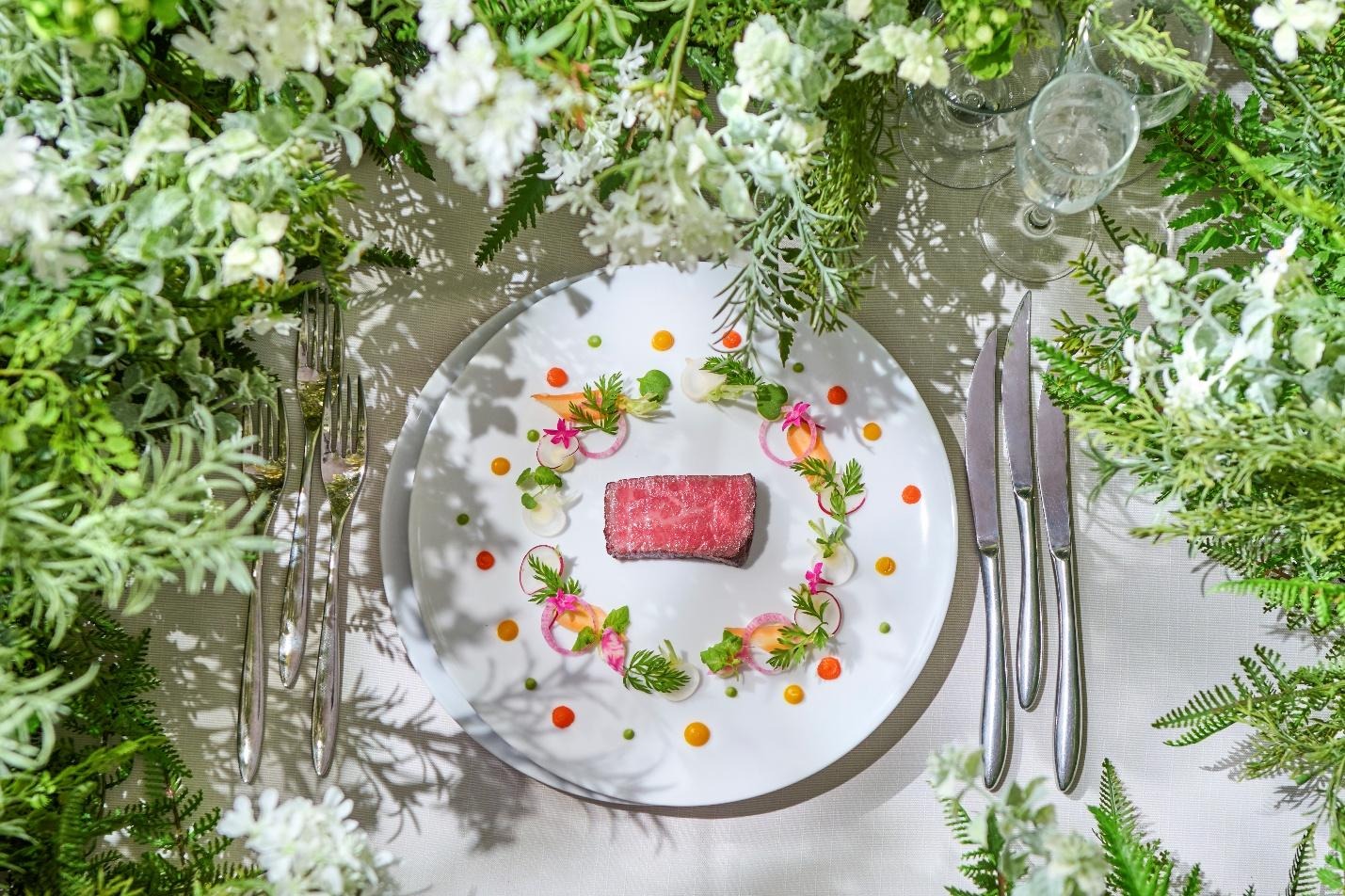
Japan has a way of turning the wedding reception meal into an event of its own.
At many venues, the food isn't an afterthought to the ceremony — it's a central part of the experience, with multi-course meals, seasonal ingredients, and a level of presentation that guests often remember as much as the ceremony itself. But for couples planning from overseas, the menu side of things raises real questions: what's actually served, how much input do you get, and what happens if your guests have dietary restrictions?
How Reception Menus Typically Work
Most reputable wedding venues in Japan include a tasting session as part of the planning process, usually a few months before the wedding. Menus are generally built per person, with pricing that reflects both the number of courses and the quality of ingredients — this is often the single largest line item in a Japan wedding budget.
Course counts typically range from six to nine, moving through a fairly standard sequence: an amuse-bouche or appetizer, soup, a fish course, a meat course, a palate-cleansing course, and dessert, with variations depending on the venue's style.
Common Menu Styles
French-Style Course Menus
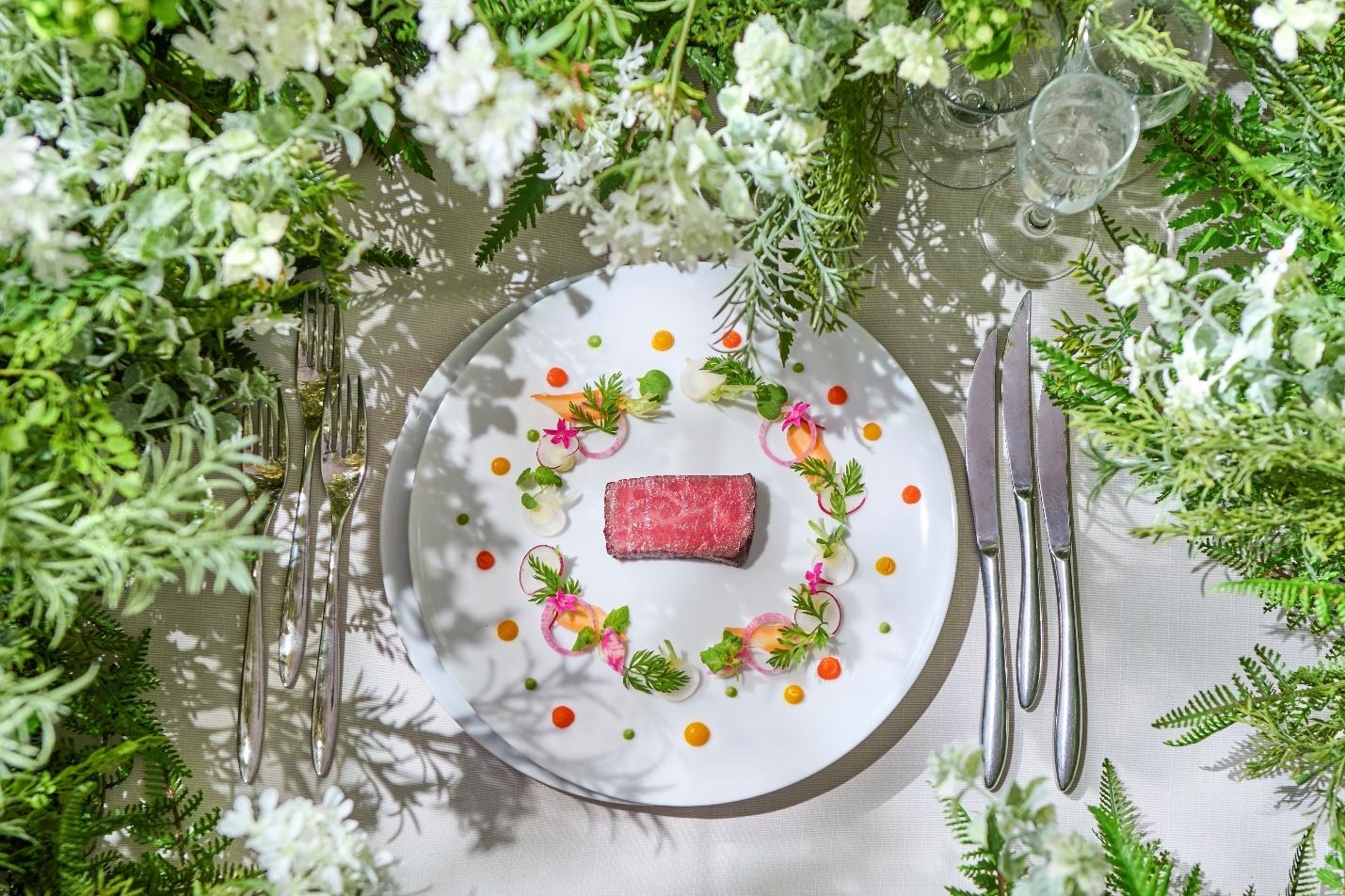
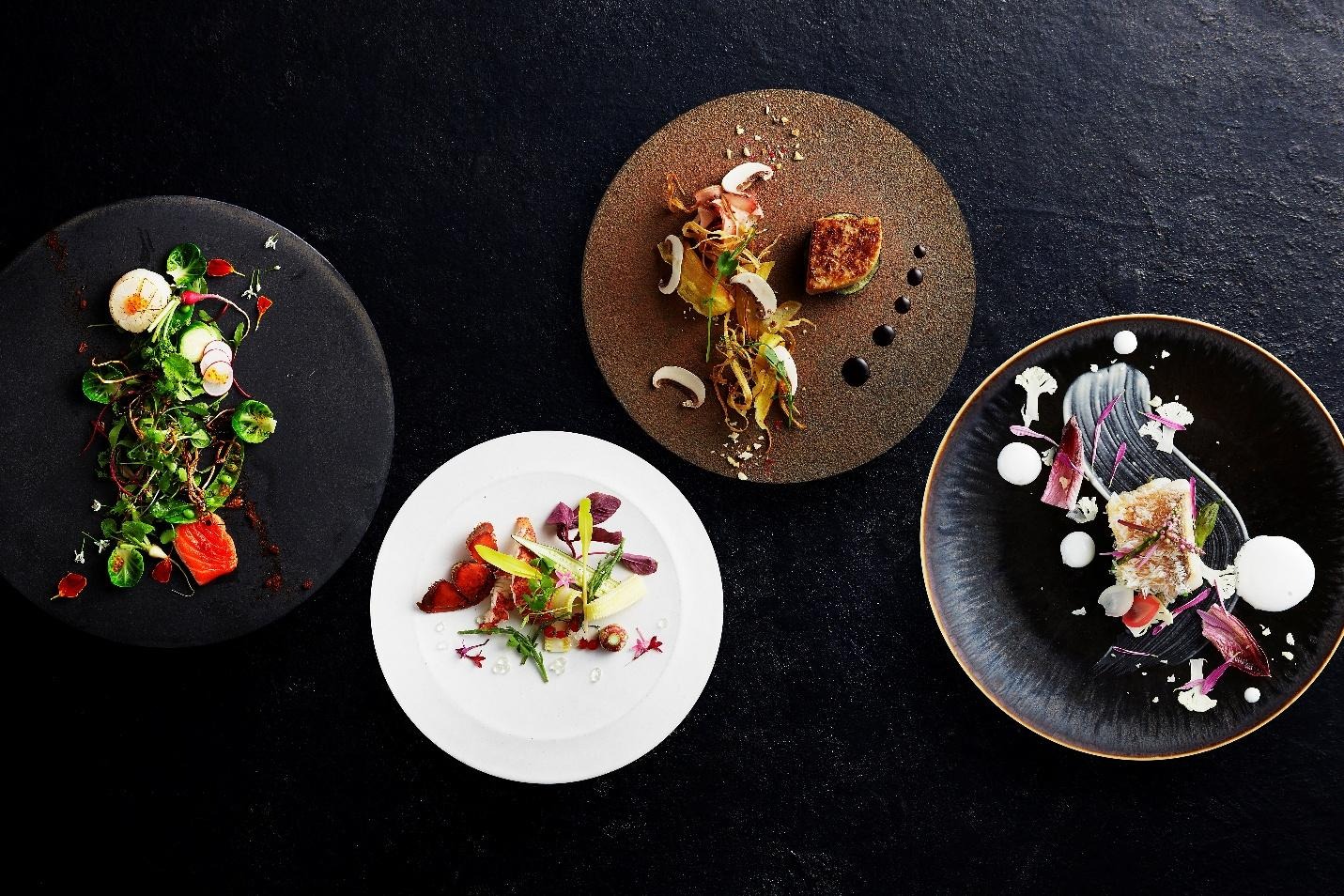
This is the most common style at Western-style chapel and hotel venues, blending French technique with Japanese ingredients and plating sensibility. Expect dishes like Hokkaido scallops, Wagyu beef, and seasonal vegetables, presented in a formal multi-course sequence.
Japanese Kaiseki-Style
More common at traditional ryokan-style venues or Shinto shrine wedding receptions, kaiseki emphasizes seasonality and a specific sequence of small, carefully composed courses. It tends to feel more intimate and is often chosen by couples wanting a reception that reflects Japanese culinary tradition rather than a Western banquet format.
Fusion and Modern Menus
A growing number of venues, particularly in Tokyo and Osaka, offer fusion menus that mix Japanese, French, and other international influences. These tend to give couples the most flexibility to customize individual courses.
Handling Dietary Restrictions and Cultural Needs
This is where planning ahead matters most, since not every venue has experience accommodating every type of request — and the answer varies a lot from property to property.
Halal — some venues, particularly those with experience hosting international weddings, can arrange halal-certified catering or work with an outside halal caterer. This isn't universal, so it's worth confirming early rather than assuming any venue can accommodate it.
Vegetarian and vegan — most venues can adapt at least a few courses, though a fully vegetarian or vegan multi-course menu at the same level of presentation as the standard menu may need extra lead time to arrange.
Allergies — Japanese kitchens are generally attentive to allergy requests once informed, but cross-contamination policies vary. It's worth asking directly how allergies are handled in the kitchen, not just whether a dish can be substituted.
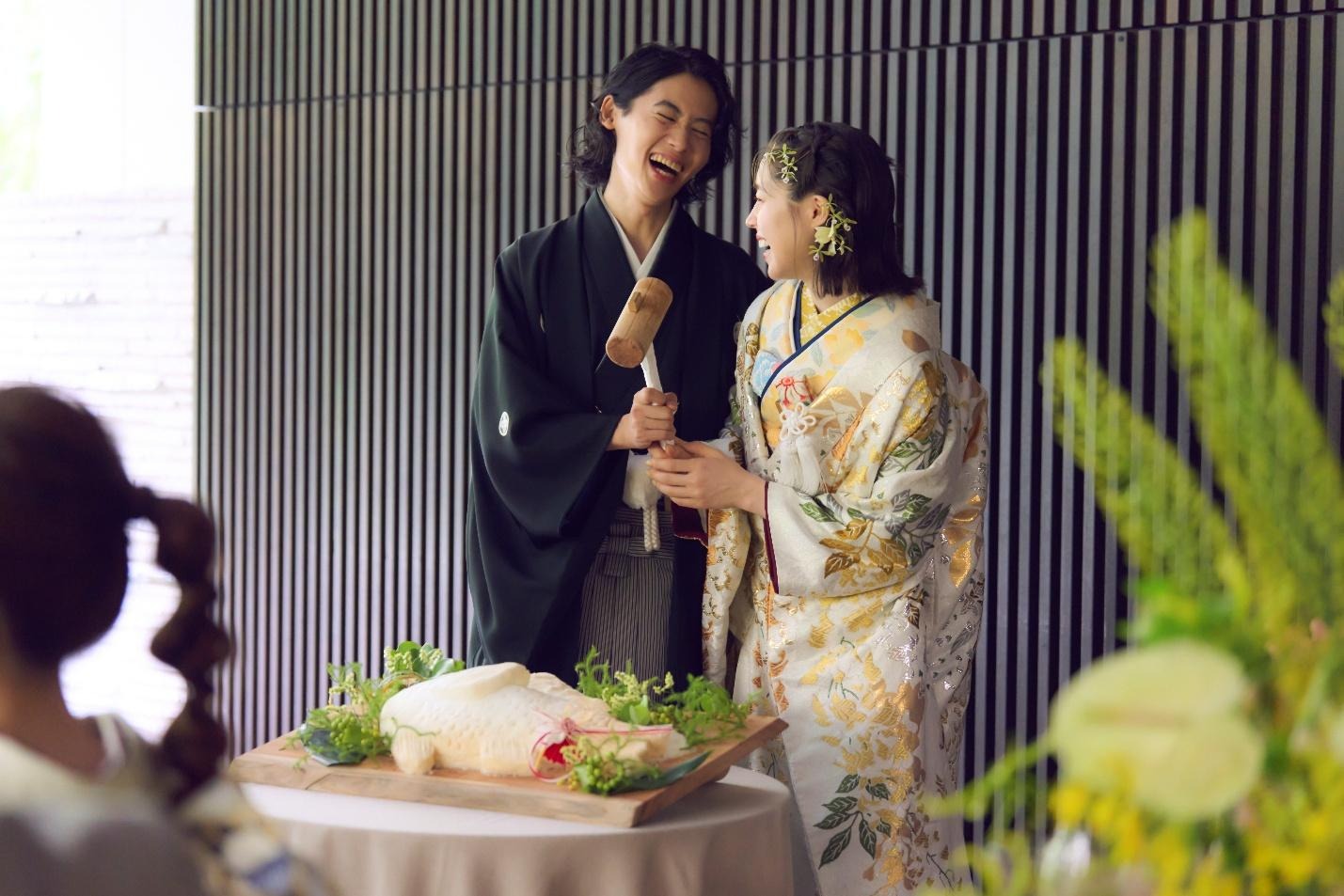
Alcohol-free options — toasts and formal drinking customs (like san-san-kudo or kagami-biraki) are part of many receptions, and most venues can prepare non-alcoholic alternatives for guests who don't drink — but it's worth flagging in advance so it doesn't feel like an afterthought.
What to Ask at a Tasting
Beyond how the food tastes, a tasting session is the moment to confirm the details that are hard to change later: whether the venue has handled halal or allergy requests before, how substitutions are priced, and whether the kitchen can accommodate a mixed group where some guests have restrictions and others don't.
How iry Helps With Menu Planning
Because iry works with couples across many different venues, part of the conversation early on is which venues have real experience handling the specific dietary or cultural needs of your guest list — rather than finding that out for the first time at the tasting.
For multicultural guest lists in particular, this often shapes which venues make sense as a shortlist in the first place, alongside more visible factors like location and budget.
Talk to iry about your reception menu → iry-party.com/en/contact