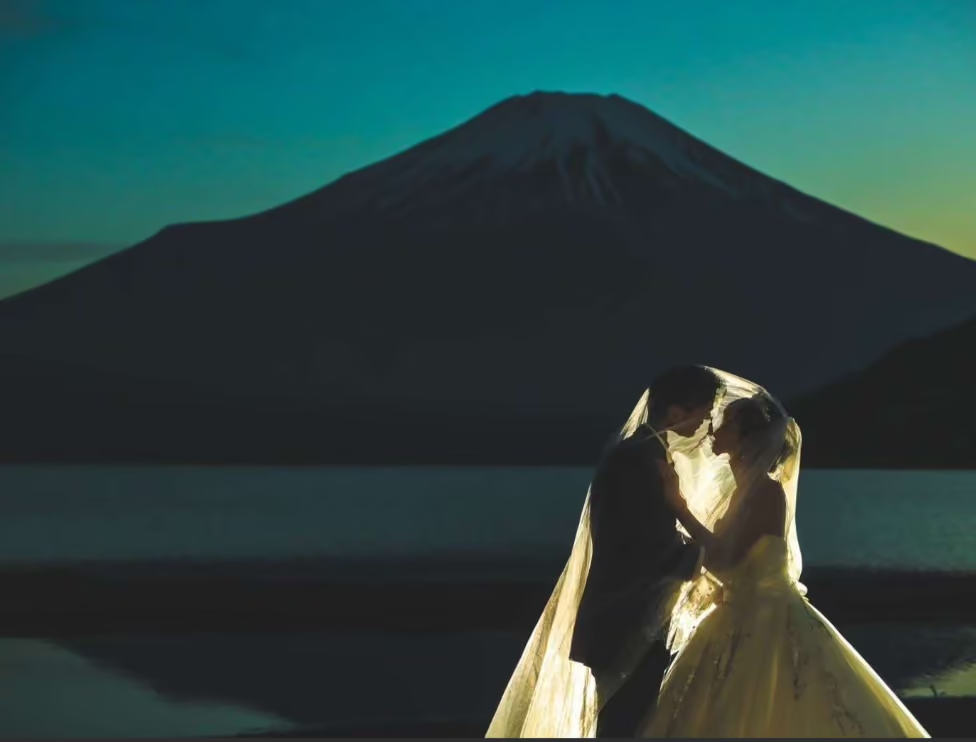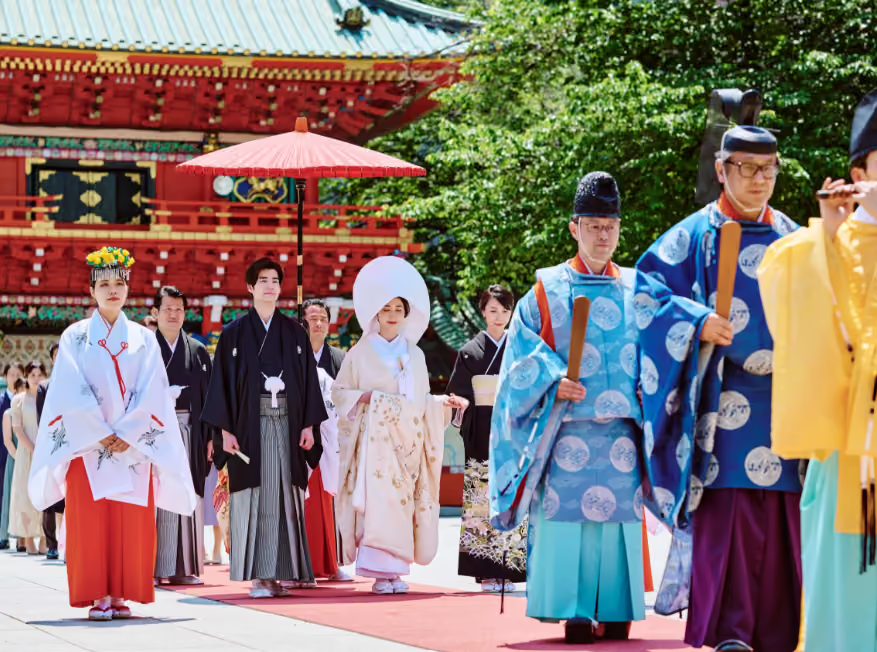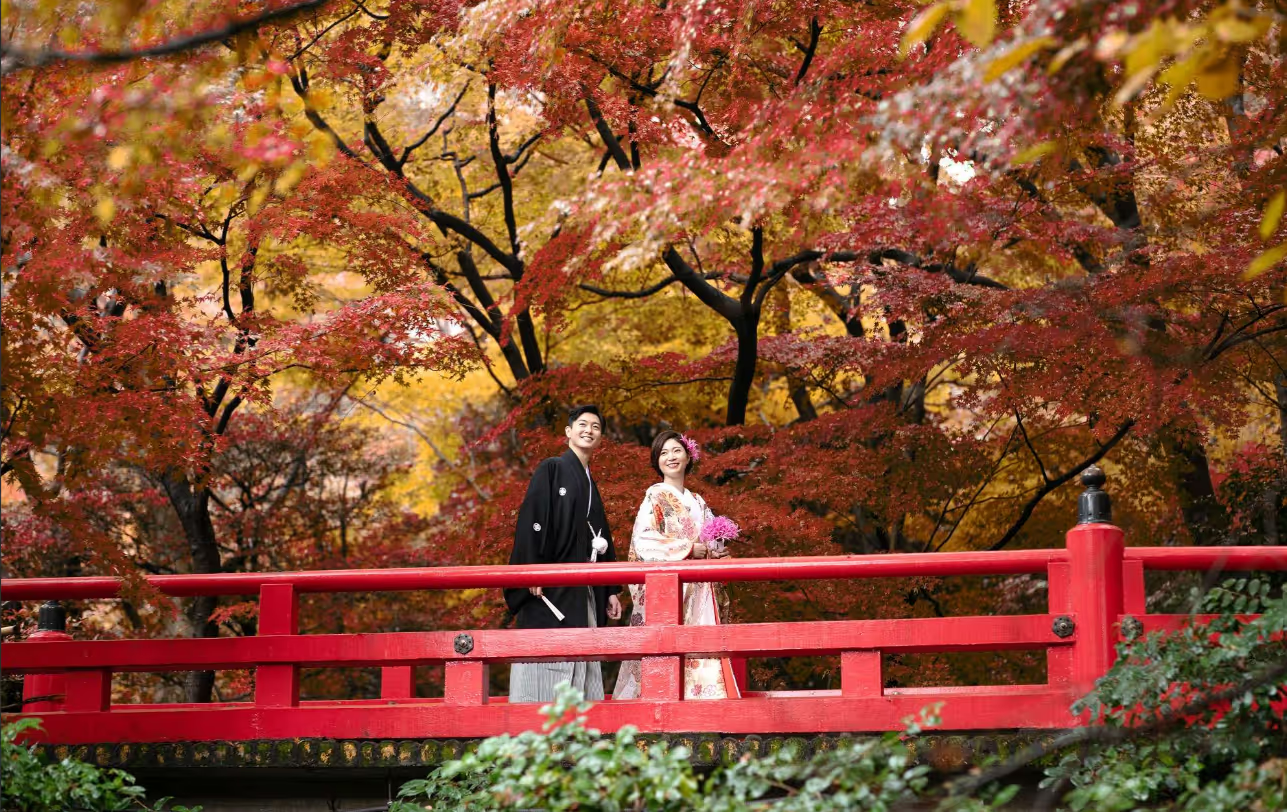


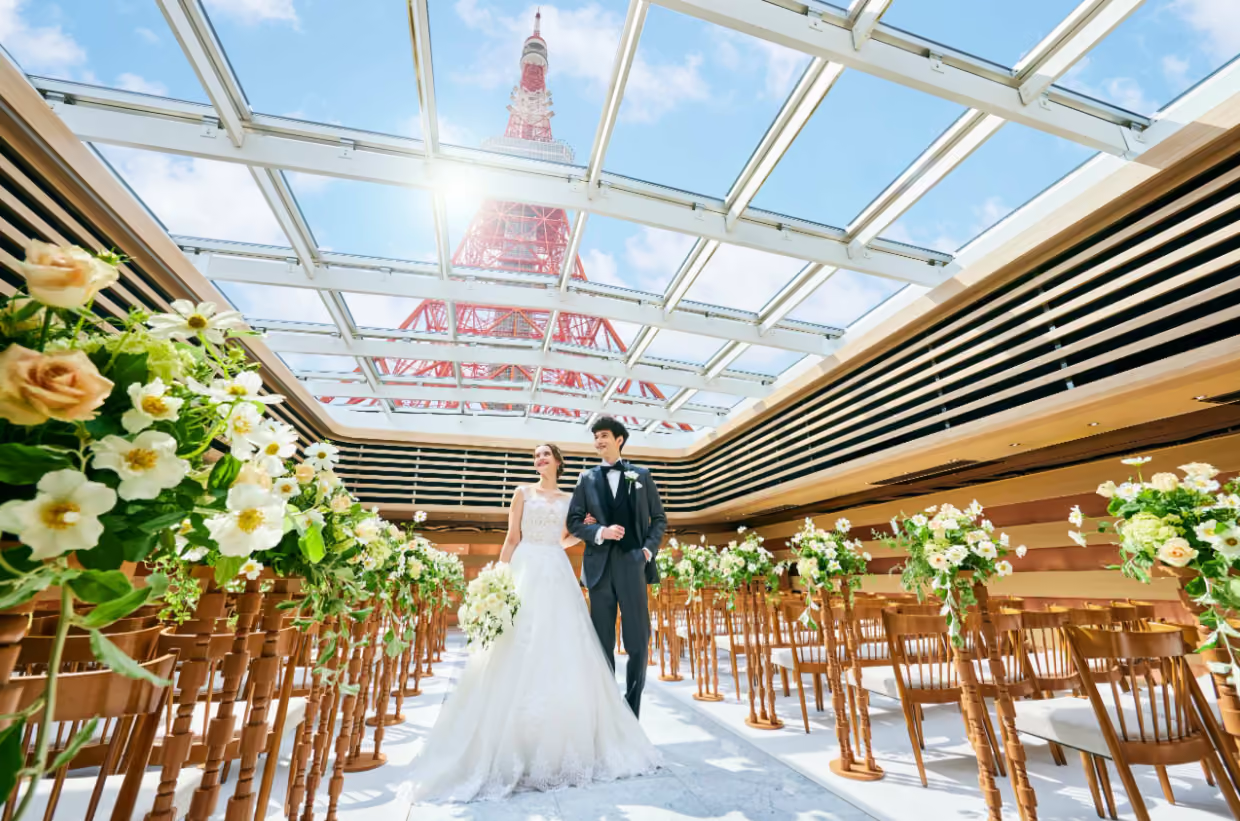
Japan has a way of making you want to stay just one more day.
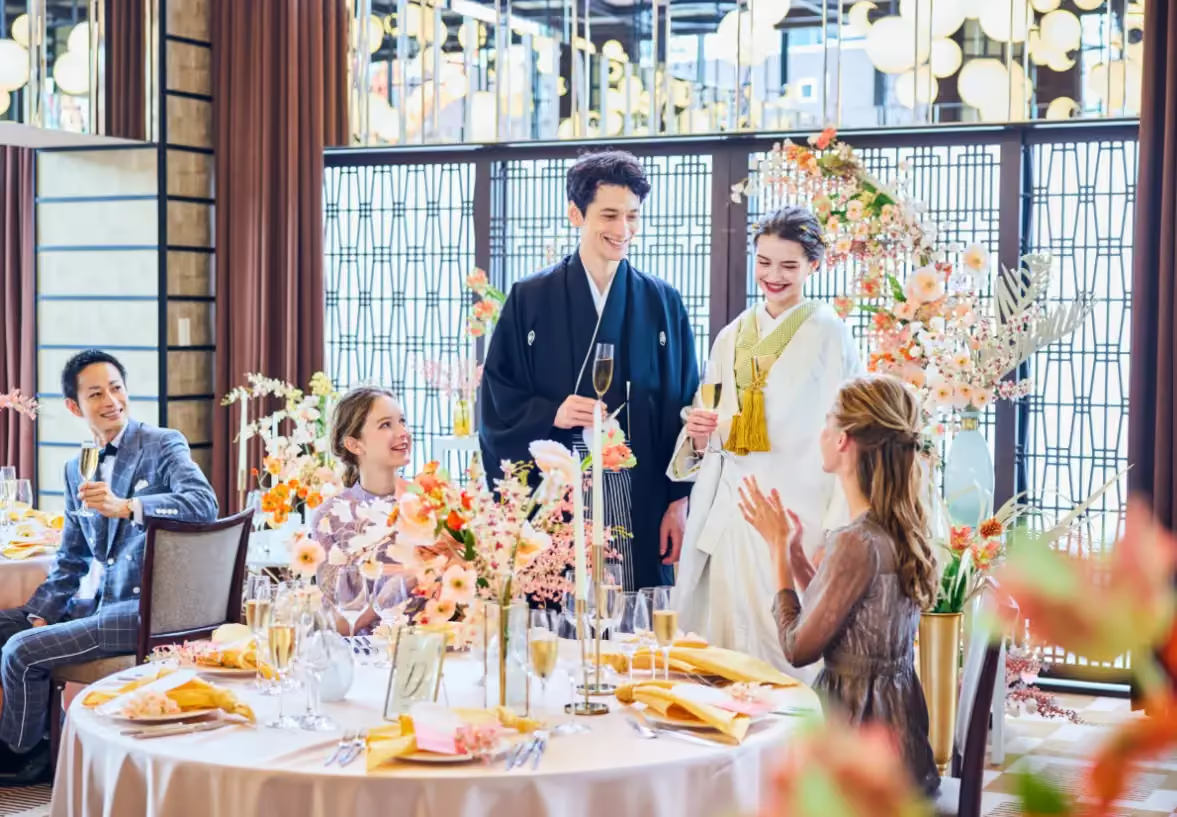
The wedding is over. The speeches have been given, the sake has been shared, the photographs are on their way. And now you have something that destination weddings uniquely offer: your closest people, in one of the world's most extraordinary countries, with nowhere they need to be.
The day after a Japan wedding is one of the most underplanned — and most memorable — parts of the whole experience. Here's how to make the most of it in the Kanto region.
First: Think About It Before the Wedding
The best day-after experiences don't happen by accident. A little planning goes a long way — and it doesn't need to be complicated.
A few things worth deciding in advance: Will you join your guests, or take the day as a couple? Is there a loose group plan, or are guests free to explore independently? Are any guests visiting Japan for the first time and likely to want guidance?
Even a simple shared itinerary — sent with the wedding information beforehand — makes guests feel taken care of and gives the day a natural shape without demanding everyone move together.
If Your Wedding Was in Tokyo
Tokyo rewards wandering, but a little direction helps guests who've never been before.
Harajuku — Home to two very different Tokyos within a five-minute walk of each other. Takeshita Street is a riot of colour, street food, and creative fashion that feels like nowhere else on earth. A short walk away, Omotesando offers the quiet, tree-lined elegance of Japan's most sophisticated shopping boulevard. In between sits Meiji Shrine — a forested Shinto sanctuary in the heart of the city, where the transition from noise to stillness is almost instant. Harajuku gives guests who want to understand modern Tokyo one of its most concentrated and surprising experiences.
Asakusa and Senso-ji — Tokyo's oldest temple district. Best visited in the morning before the tourist crowds arrive. From here, a river taxi down the Sumida to the teamLab digital art museum in Odaiba makes for an unexpectedly wonderful afternoon.
Yanaka — One of the few Tokyo neighbourhoods that survived both the 1923 earthquake and the wartime bombings, Yanaka preserves the feel of old shitamachi (downtown) Tokyo. Narrow lanes, traditional craft shops, cats on walls, and independent cafés. Gentle, unhurried, and genuinely charming — a perfect morning-after antidote to the formality of a wedding day.
Hamarikyu Gardens — A former shogunate duck-hunting ground at the mouth of the Sumida River, now a serene tidal garden with a traditional teahouse on a central island. Matcha and wagashi (Japanese sweets) with a view of the water and the skyline behind. An hour here feels like stepping out of the city entirely.
Nakameguro — The canal-side walk along the Meguro River, lined with independent restaurants, coffee shops, and carefully curated boutiques, is one of Tokyo's most consistently pleasant urban experiences. Especially beautiful in spring (cherry blossoms hang directly over the water) and autumn (the maples turn gold along the banks).
Shimokitazawa — For guests who prefer something less touristy: vintage clothing, live music venues, independent bookshops, and relaxed cafés — a creative village somehow tucked inside a major city.
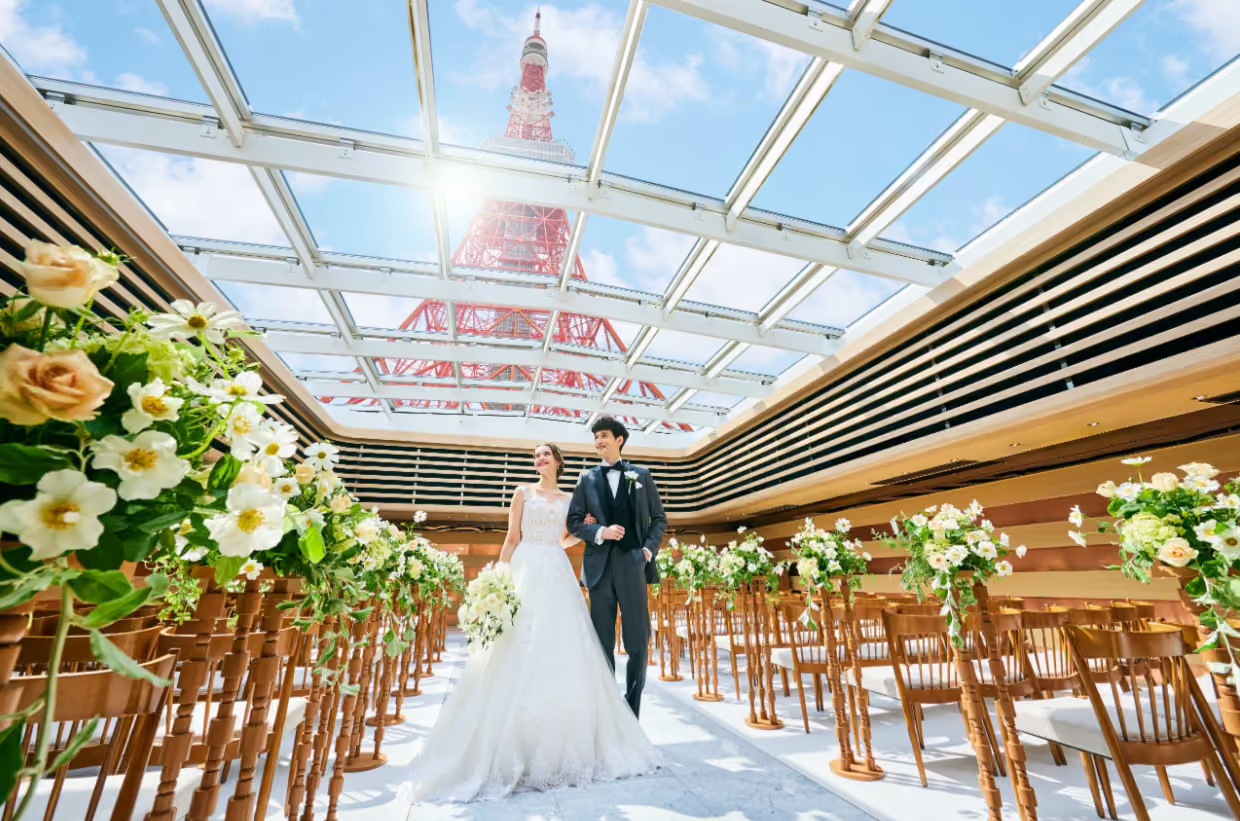
If Your Wedding Was in Yokohama
Yokohama is one of the easiest cities in Japan for international guests — walkable, English-friendly, and full of genuinely interesting things to do.
Motomachi and Yamate — The historic foreign settlement area above Yokohama's downtown, where 19th-century Western-style houses sit in quiet tree-lined streets overlooking the harbour. A morning stroll followed by coffee at one of the neighbourhood cafés is understated and lovely.
Yokohama Chinatown — One of the largest Chinatowns in the world, and one of the most lively. Dim sum for lunch the day after the wedding is a quietly festive choice — and the neighbourhood is spectacular even just to walk through.
Sankeien Garden — A traditional Japanese landscape garden containing historic buildings relocated from across the country. Quiet and beautiful in any season, and rarely as crowded as the famous gardens in Kyoto or Tokyo.
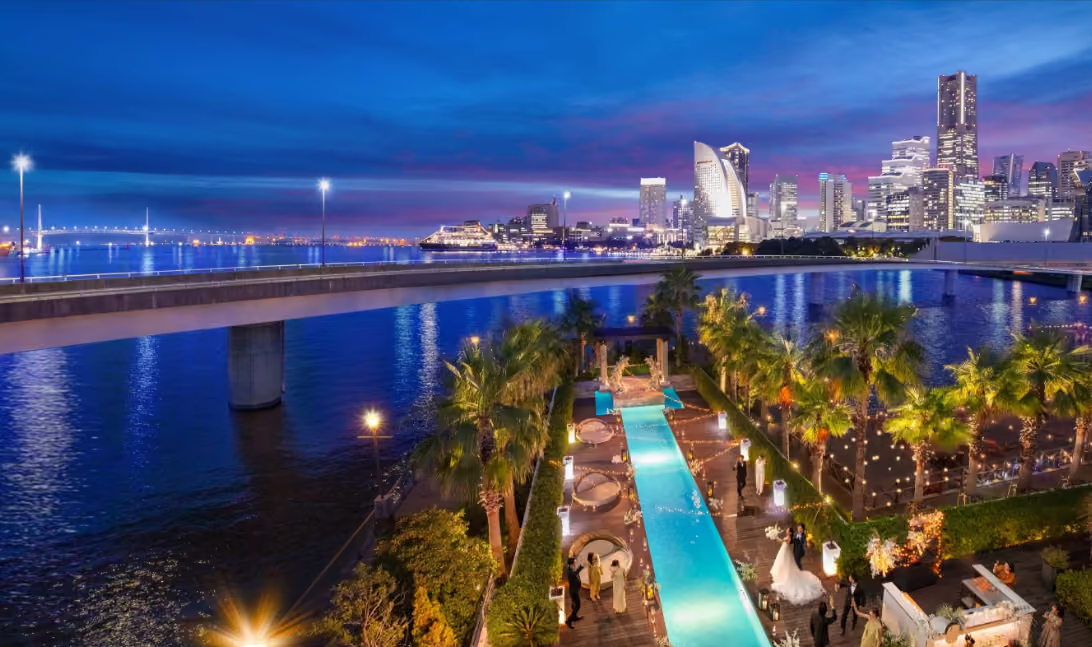
The Minato Mirai waterfront — A walk along the bay, with views of the Yokohama Bay Bridge and the Red Brick Warehouse complex. Excellent restaurants for a relaxed lunch, and a Ferris wheel with views across the whole bay.
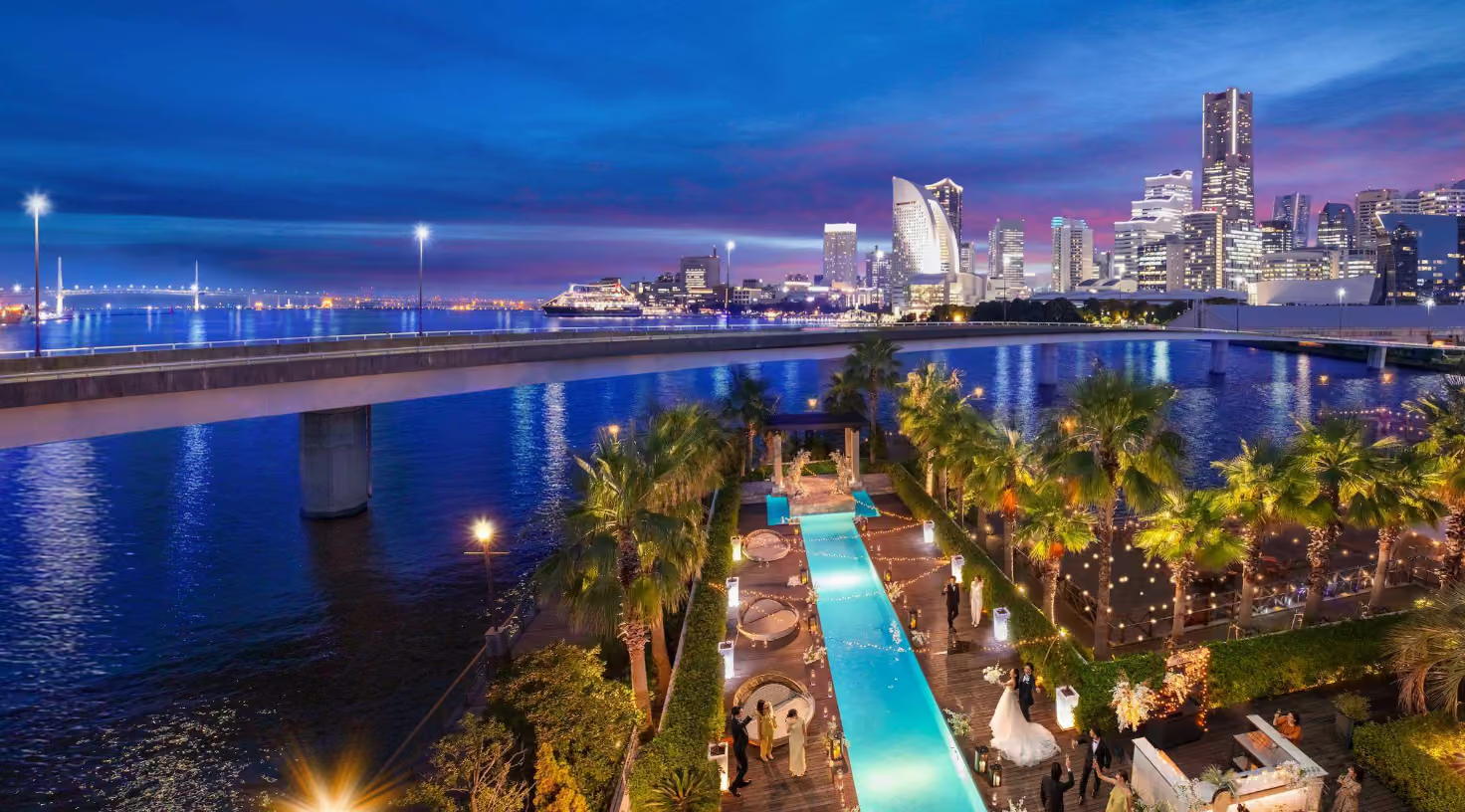
If Your Wedding Was in Kamakura
Kamakura is already one of Japan's most beautiful day-trip destinations — and if your wedding was here, your guests are in an ideal position to explore it properly the following day.
The Great Buddha (Kotoku-in) — One of Japan's most iconic images. The 13-metre bronze Buddha sits in the open air, its mountain backdrop making it genuinely moving — especially early morning, before the tour groups arrive.
The Kamakura Hiking Trails — A network of ancient pilgrimage paths connects Kamakura's temples through forested mountain ridges. The Daibutsu Trail (about 2.5 hours) connects the Great Buddha to Kita-Kamakura through cedar forest and bamboo groves.
Hase-dera Temple — A hillside temple with sweeping views over Kamakura Bay, famous for its collection of Jizo statues and its wisteria in spring. The covered gallery overlooking the sea is a place many guests remember most.
Komachi-dori — Kamakura's main shopping street, lined with matcha ice cream, fresh-grilled senbei rice crackers, and local craft shops. A relaxed afternoon wander with nowhere particularly to be.
If Your Wedding Was in Karuizawa
Karuizawa's particular charm on the day after is its unhurriedness. No one needs to rush, and the mountain air is an excellent restorative.
The Old Karuizawa Shopping Street (Kyu-Karuizawa) — A pleasant morning stroll through the historic resort district, with independent bakeries, coffee shops, jam and preserve shops, and the famous Mikasa Hotel visible through the trees.
Kumoba Pond (Kumobaike) — A quiet reflective pond surrounded by birch trees, particularly beautiful in autumn and early morning in any season. A gentle, contemplative half-hour.
Shiraito Falls — A wide, low waterfall formed from natural spring water seeping through volcanic rock — more delicate than dramatic, and unusually beautiful. About 20 minutes by car or taxi from central Karuizawa.
Cycling — Karuizawa has an excellent cycling path network and rental bikes are widely available. A morning cycle through the tree-lined resort roads is one of the most pleasant things you can do here.
A Note on Group Dynamics
The day after a destination wedding tends to produce one of two group modes: everyone wants to stay together, or everyone disperses happily to explore independently. Both are fine — but it helps to have a loose framework ready for the first group, and clear recommendations ready for the second.
Some couples choose to host a simple morning-after brunch — at the hotel, at a restaurant nearby, or in a private space — as a gentle transition. It doesn't need to be elaborate. It just needs to feel like the gathering isn't quite over yet.
Talk to iry about planning your Japan wedding → iry-party.com/en/contact