Japan has a way of making bridal attire feel like something more than clothing.
A kimono isn't simply worn — it's put on with intention, by specialists who treat every fold as meaningful. And for many couples who marry in Japan, the experience of wearing one becomes one of the most memorable parts of the day.
But the world of Japanese bridal kimono has its own language. Shiromuku, iro-uchikake, furisode — each has a distinct look, a distinct history, and a distinct feeling. Here's a quiet guide to what they are and what they mean.
But the world of Japanese bridal kimono has its own language. Shiromuku, iro-uchikake, furisode — each has a distinct look, a distinct history, and a distinct feeling. Here's a quiet guide to what they are and what they mean.
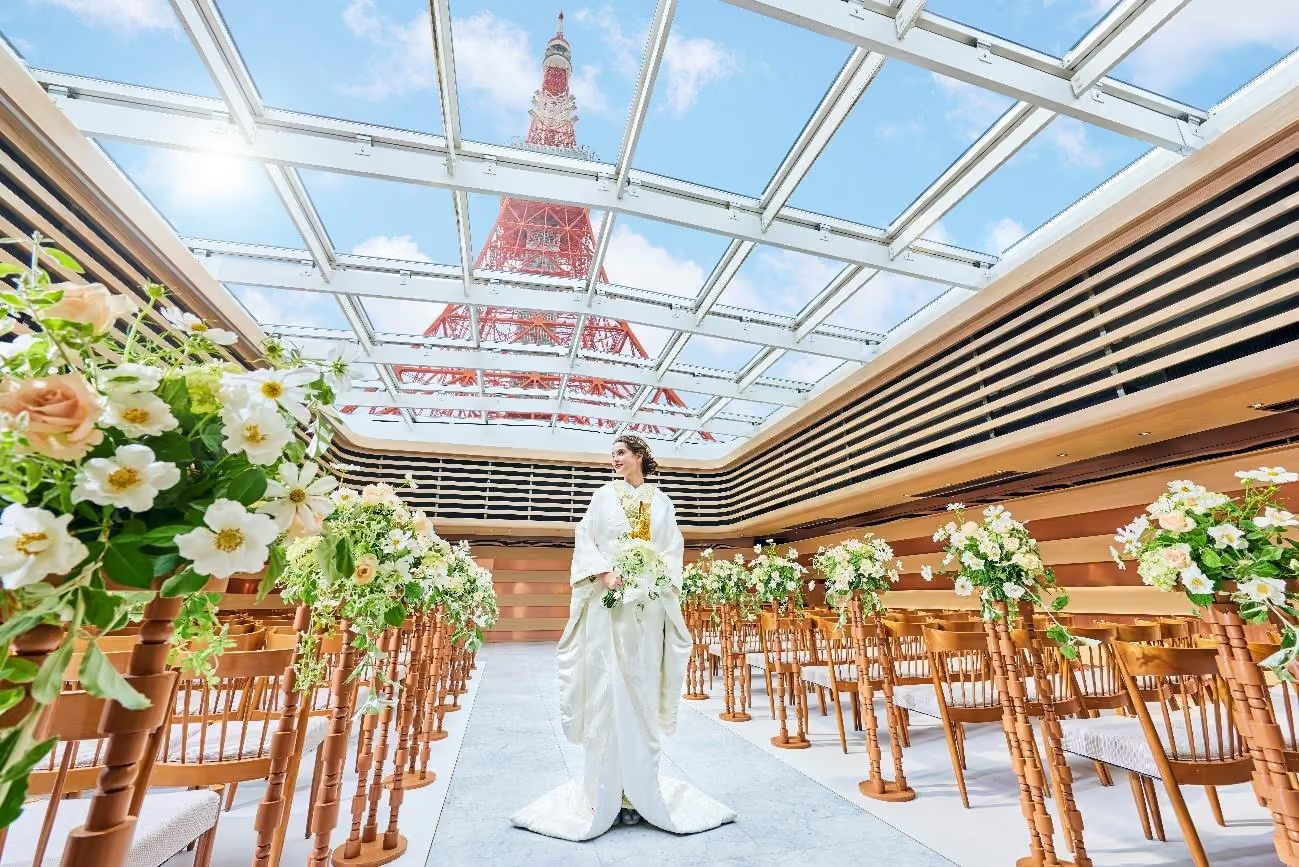
白無垢 Shiromuku — The Traditional Bridal White
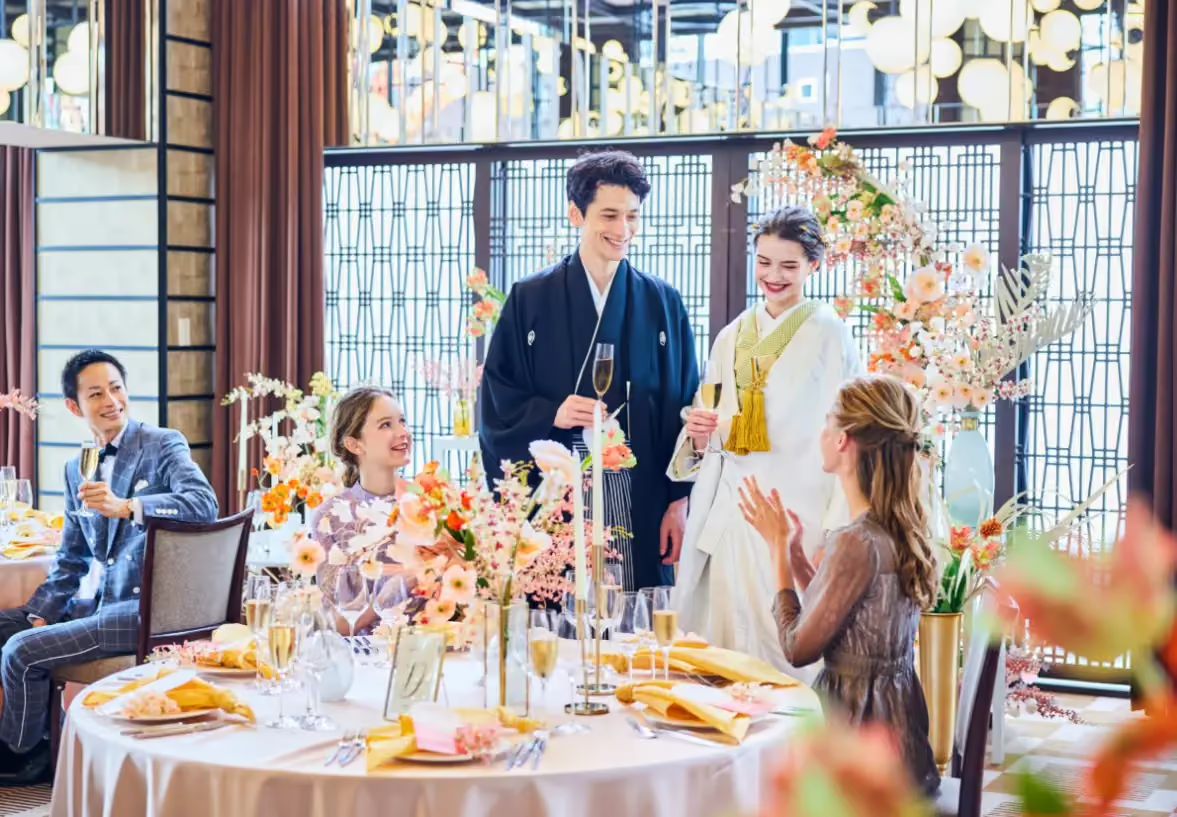
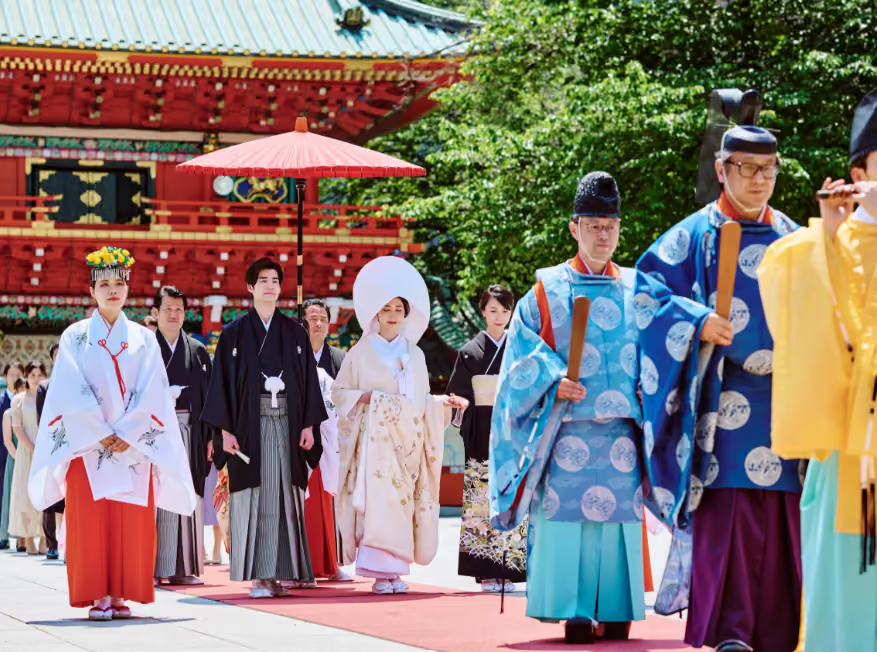
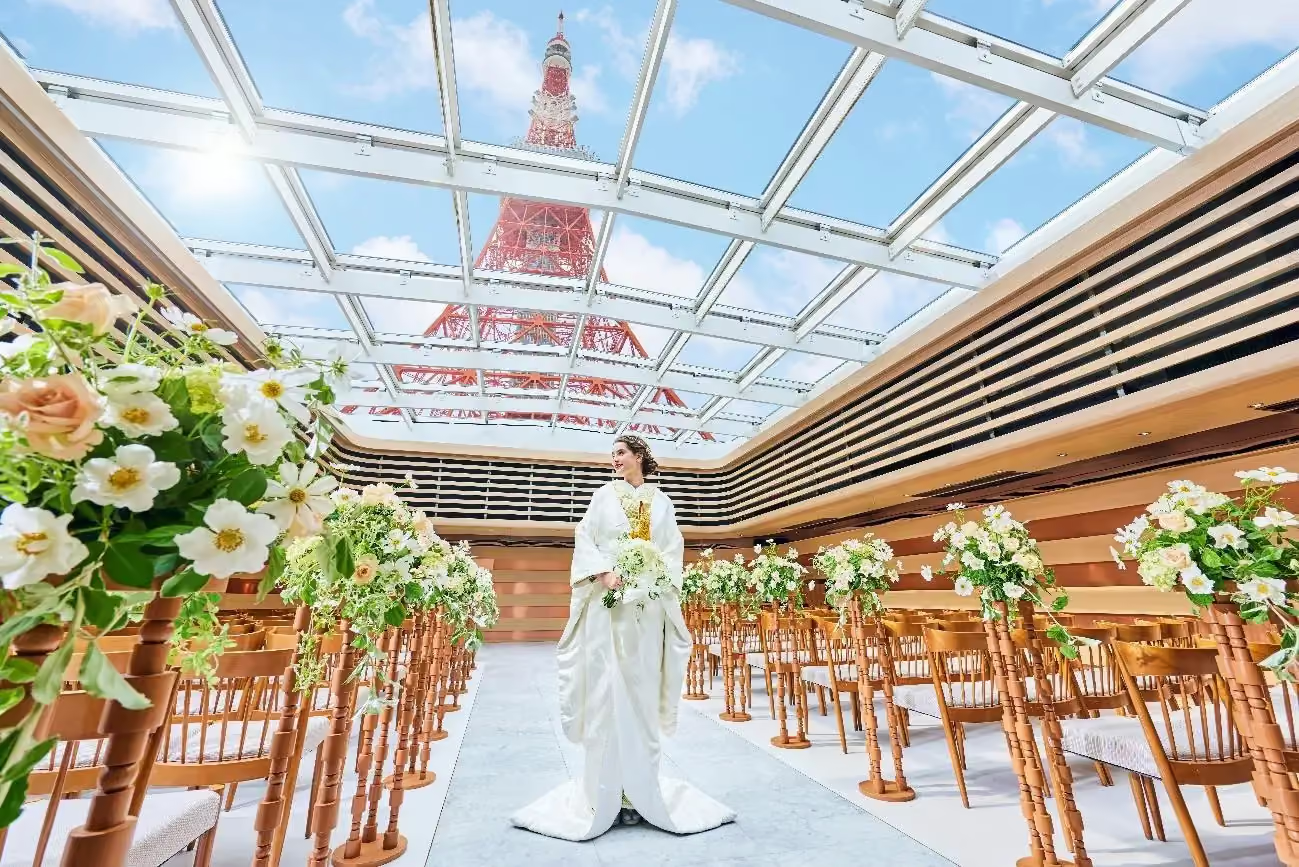
The shiromuku is the most formal of all bridal kimonos — entirely white, from the outer robe to the undergarments, accessories, and even the fan. In Japanese tradition, white represents purity and a readiness to begin again: the bride arrives without color, ready to take on the life and family she is entering.
It is typically worn for the ceremony itself, especially at Shinto shrines.
The shiromuku is paired with one of two headpieces:
「Wataboshi (綿帽子)」 — a large, soft white hood worn over the bridal hair, traditionally concealing the bride's face until the ceremony
「Tsunokakushi (角隠し)」 — a flat, folded-cloth band worn across the top of the hair, said to hide the "horns of jealousy" a bride might otherwise carry into marriage
Both carry meaning that, once you know it, makes the headpiece feel far more interesting than it first appears.
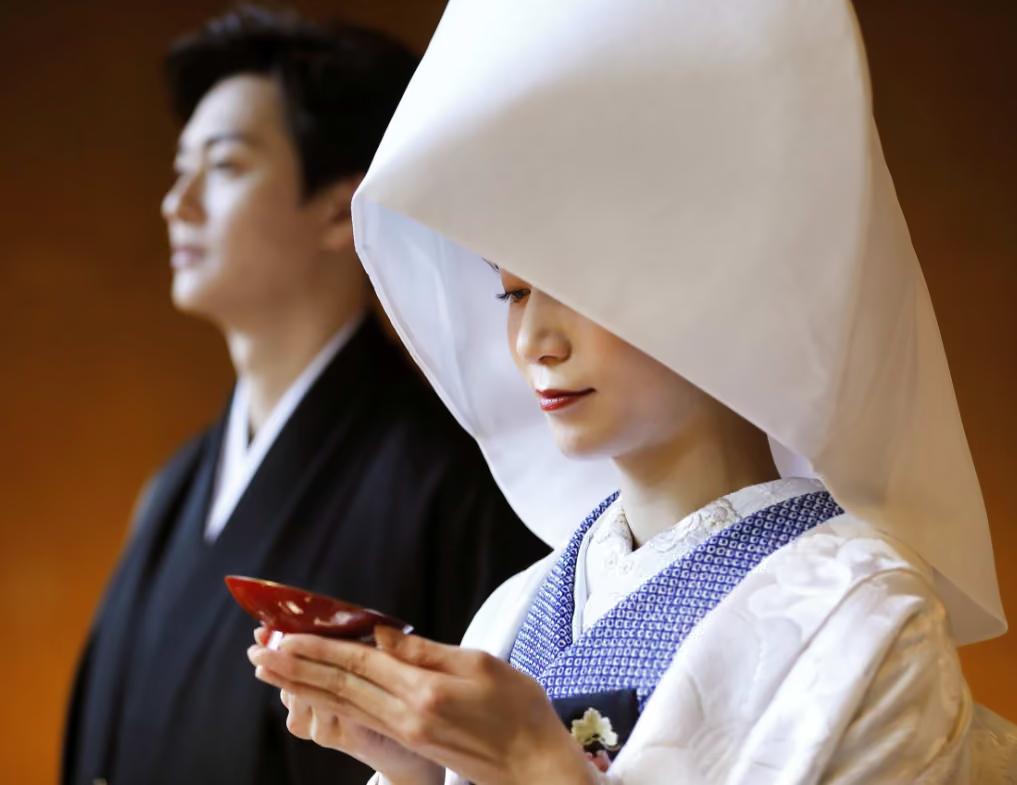
色打掛 Iro-uchikake — The Celebration of Colour
Where the shiromuku is quiet and white, the iro-uchikake announces itself.
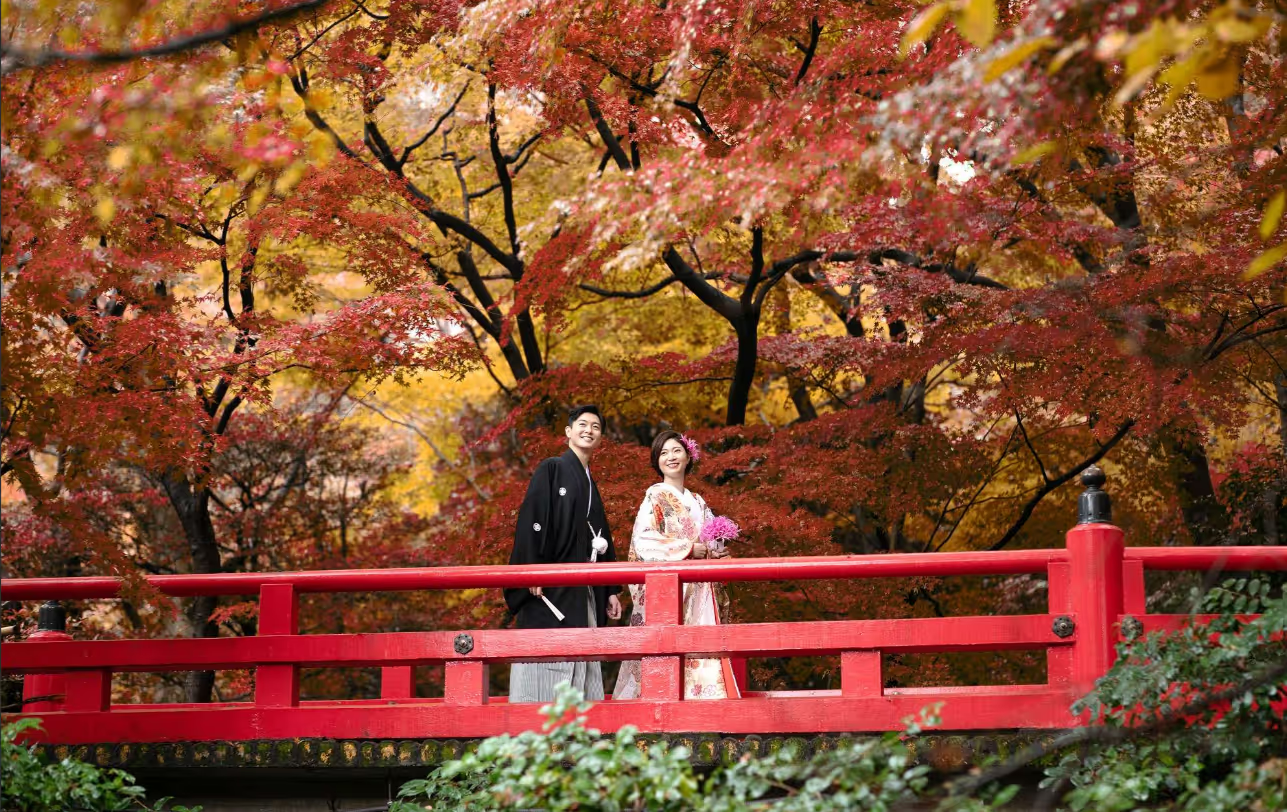
An iro-uchikake is a heavily embroidered outer robe in vivid colours — deep crimson, midnight blue, gold, forest green — layered with hand-sewn motifs that carry their own significance:
「Cranes」 — longevity and fidelity
「Pine」 — endurance through seasons
「Plum blossom」 — perseverance and renewal
「Flowing water」 — purity and the passage of time
The iro-uchikake is typically worn as a costume change — after the ceremony, for the reception or celebratory portraits. Many brides describe this moment of change, from white into colour, as one of the most joyful transitions of the day.
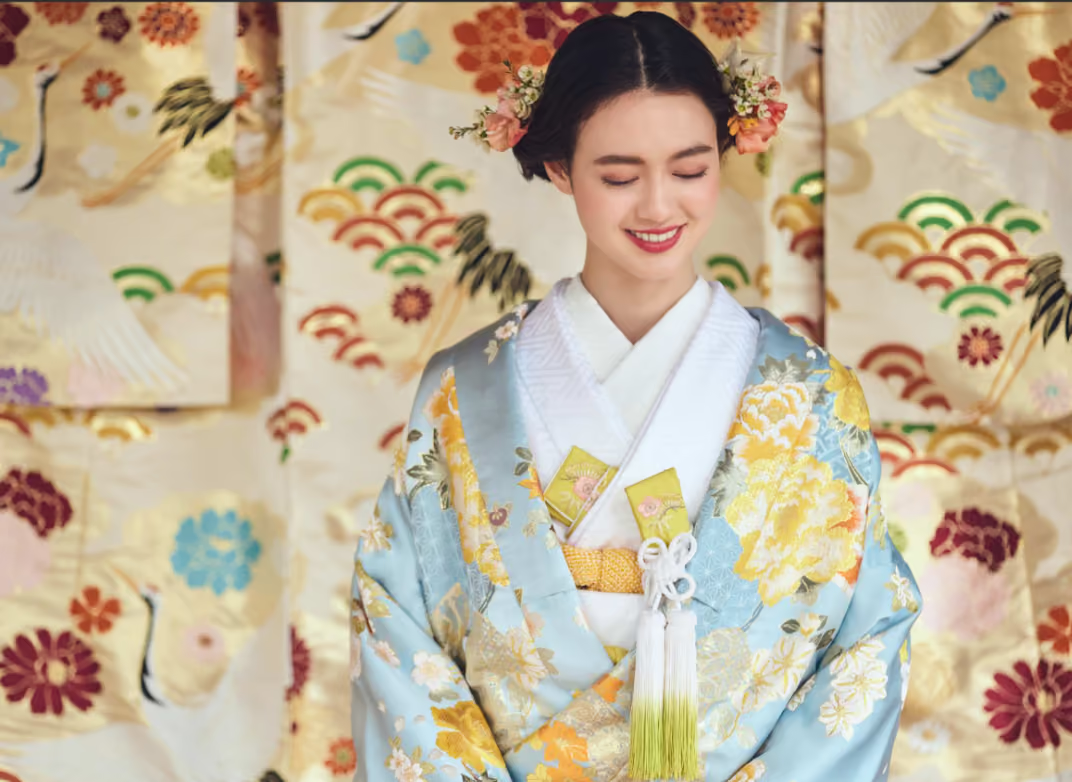
振袖 Furisode — The Long-Sleeved Elegance
The furisode is a formal kimono defined by its dramatically long sleeves — traditionally worn by unmarried women on celebratory occasions. For weddings, it offers an alternative to the iro-uchikake for reception wear: slightly less formal, but deeply elegant, and often more personally expressive in its colour and pattern choices.
Some brides are drawn to the furisode precisely because it feels more like them — a little less ceremonial, a little more joyful.
Kimono or Wedding Dress — or Both?
This is one of the most common questions couples bring to iry. And the answer, more often than not, is: both.
Japan's bridal culture already builds in costume changes as a meaningful part of the day. Wearing a shiromuku for the ceremony and changing into a Western dress — or an iro-uchikake — for the reception is completely natural here. Many couples design their day around exactly this: two looks, two atmospheres, one day.
If you've ever wanted to wear a kimono properly — dressed by specialists, in a location that makes sense of it — there is no more natural context in the world.
How iry Helps
Navigating kimono rental, fitting appointments, specialist dressers, and headpiece selection — especially in Japanese — is a lot to manage from overseas or even from within Japan.
iry helps couples find the right kimono atelier, coordinates fittings, and makes sure every detail is understood on both sides. We help couples arrange the attire that matches their vision, not just what's available in a standard package.
Our team works natively in English, Japanese, Korean, Chinese, Spanish, French, and Portuguese.